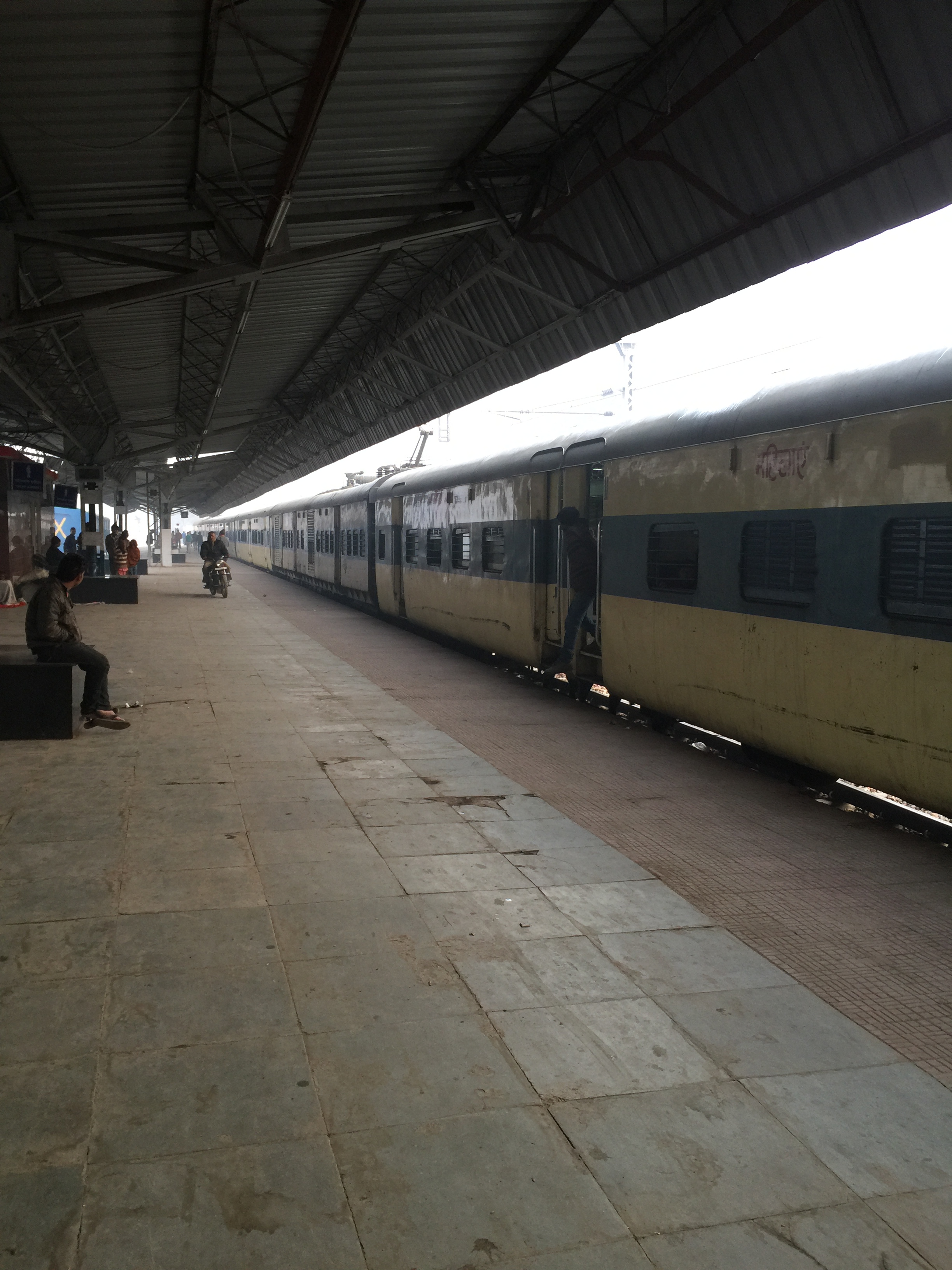
 We woke up today looking forward to our only rail journey in India. After watching the fab “Darjeeling Limited” we all had high hopes. Owen Wilson wasn’t on our train but Indian humanity was.
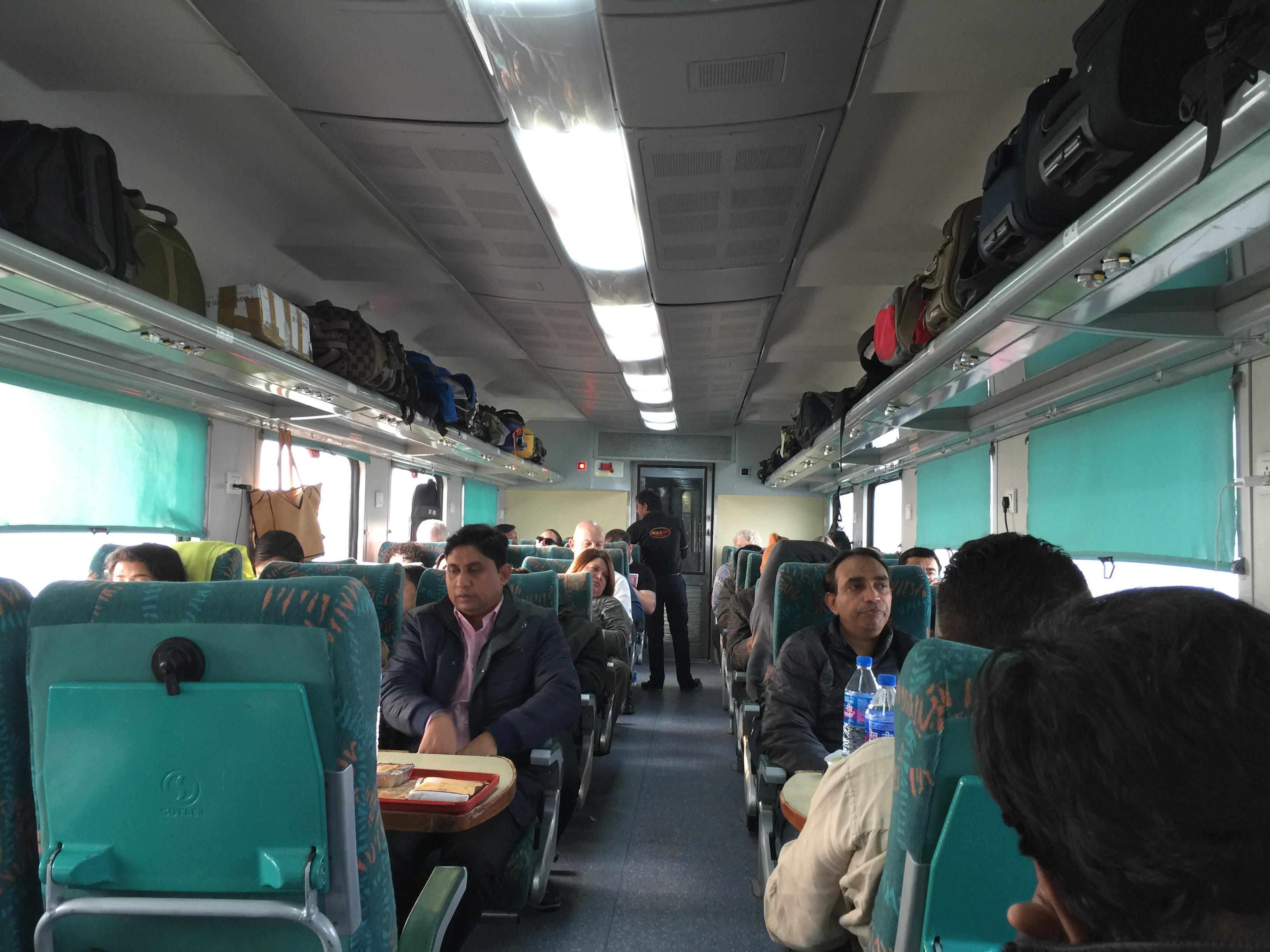 Meals were served but after walking through the prep area as we boarded we declined. The rail system was built by the British during their occupation and is a very ingrained part of life here. We rode for about two and a half hours to reach our first destination of Jhansi.
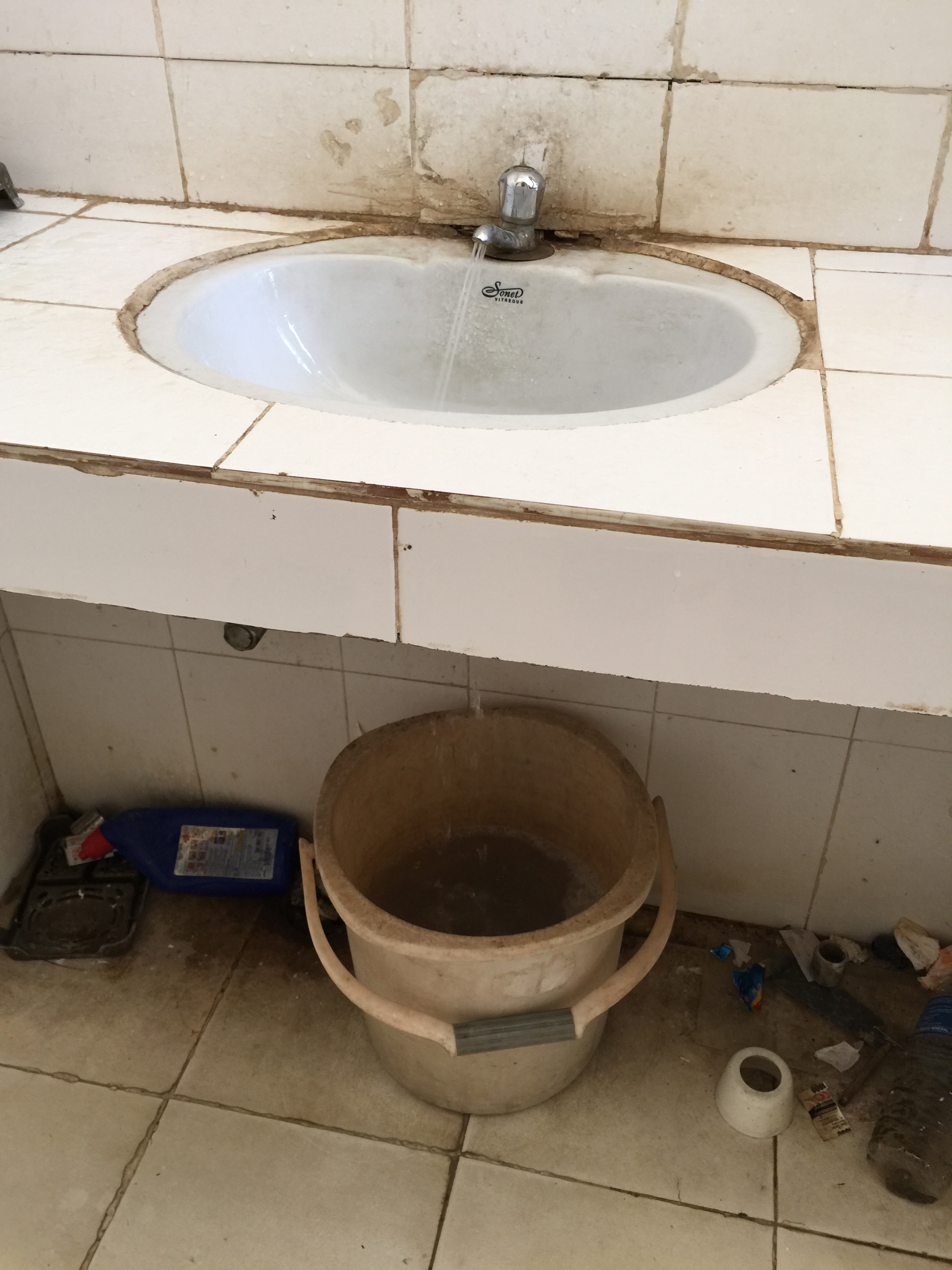 Our first stop was at yet another fort which is being fixed up in hopes of luring tourists into this small but pretty town. Here is a pic of the plumbing in the “washroom.” Recycling at its worst!
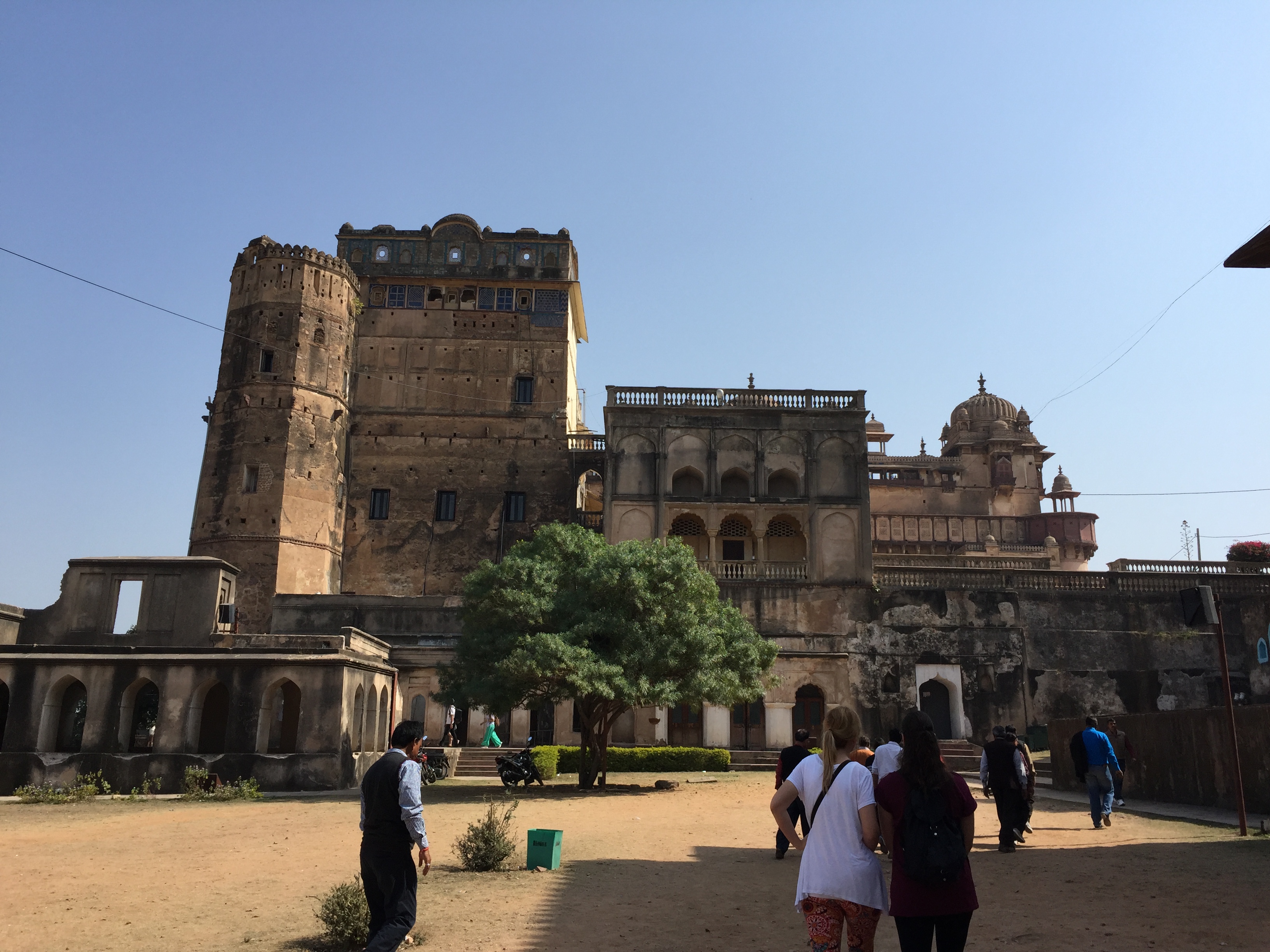 This fort is famous for its murals which have survived the centuries. It was built by the local king for a one night visit from our old friend, Shah Jahan, given to him, and abandoned.
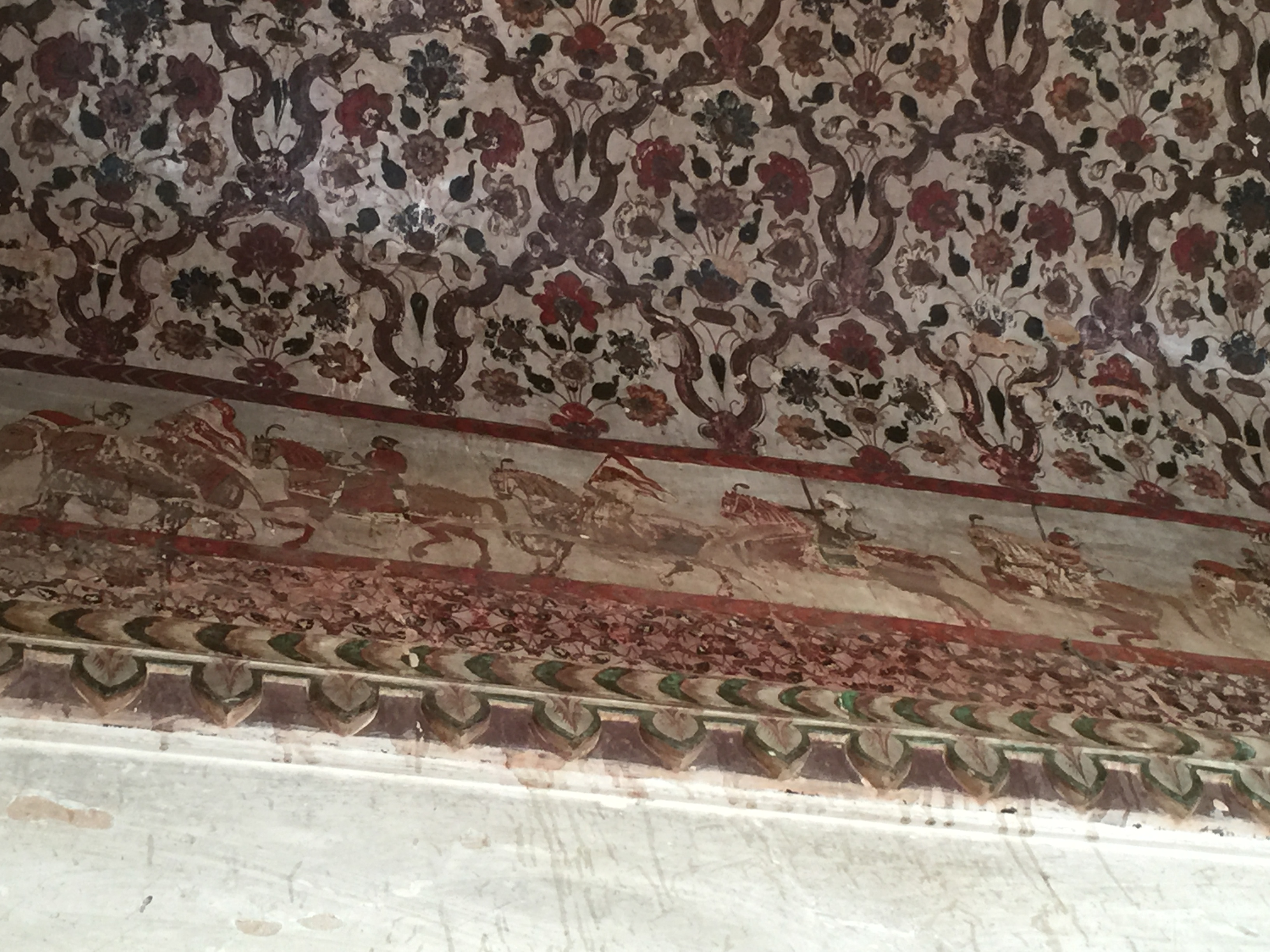 The ceilings are really quite marvelous and still vibrant. These frescos are tipped with gold and depict hunting scenes.
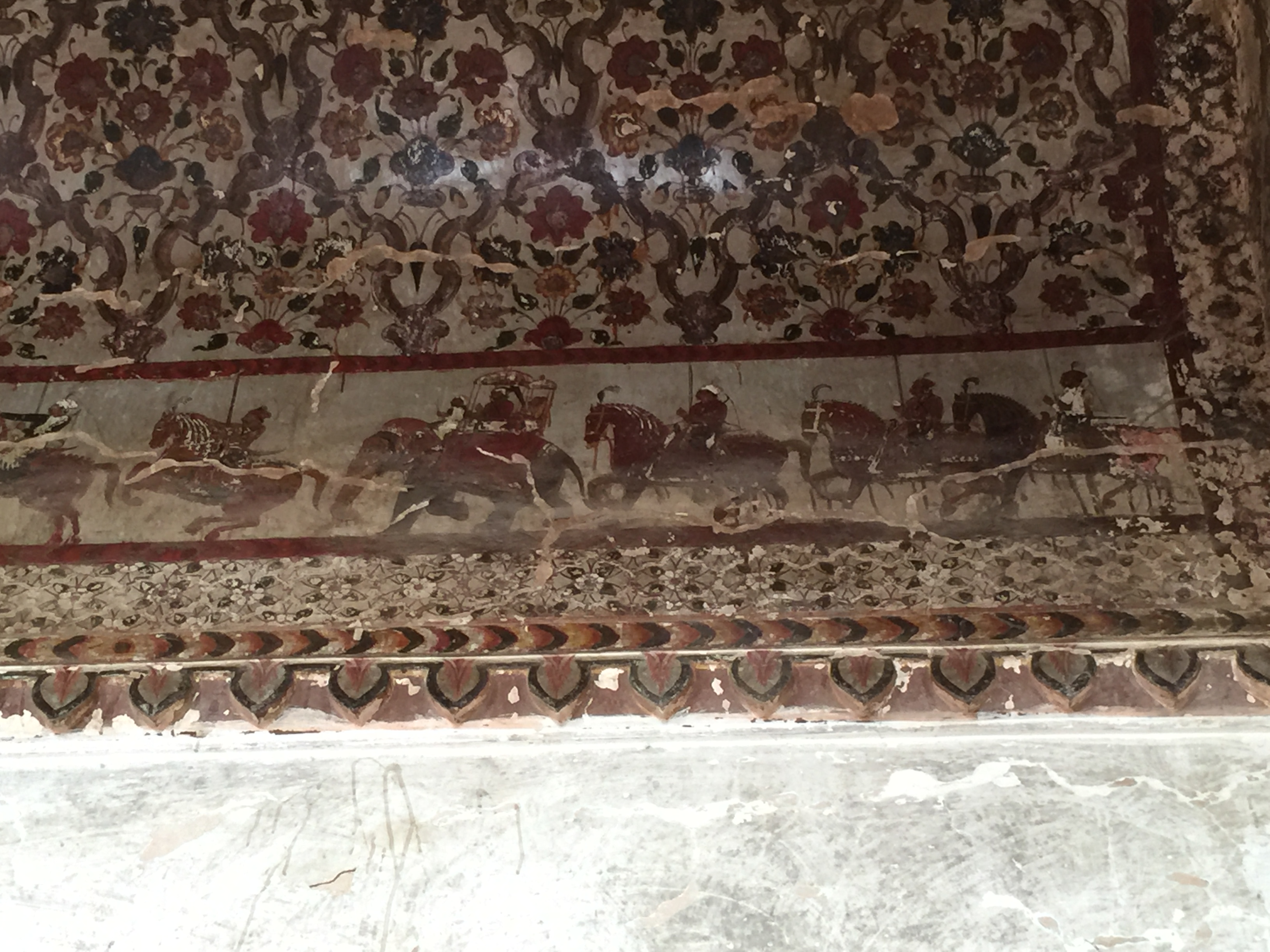
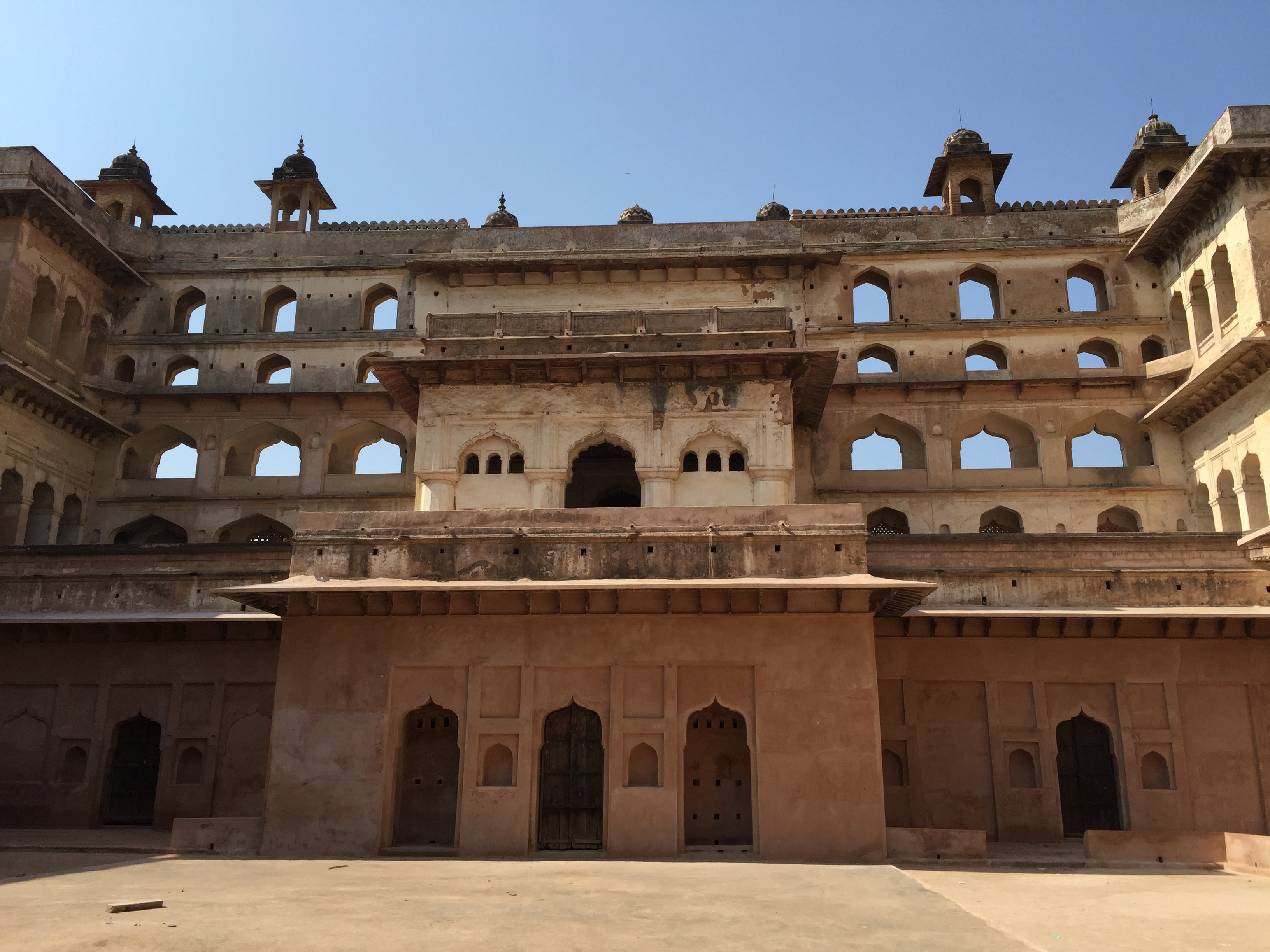 The inside of the fort is pretty interesting and at the time it was built was all inlaid with turquoise and lapis. We were allowed to climb the ramparts, but as I have said for decades, “Why is it always uphill?”
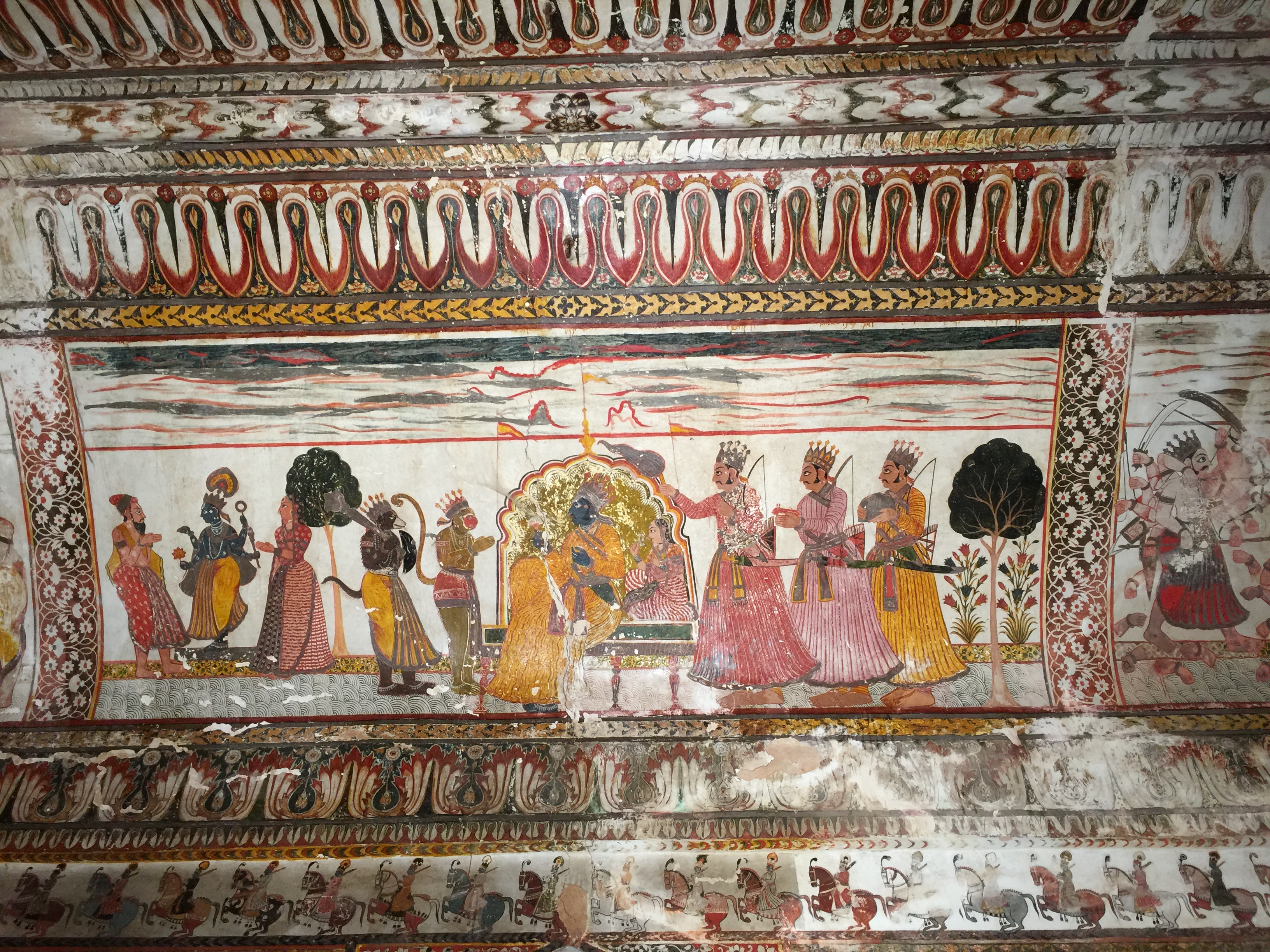 Another hunting scene.
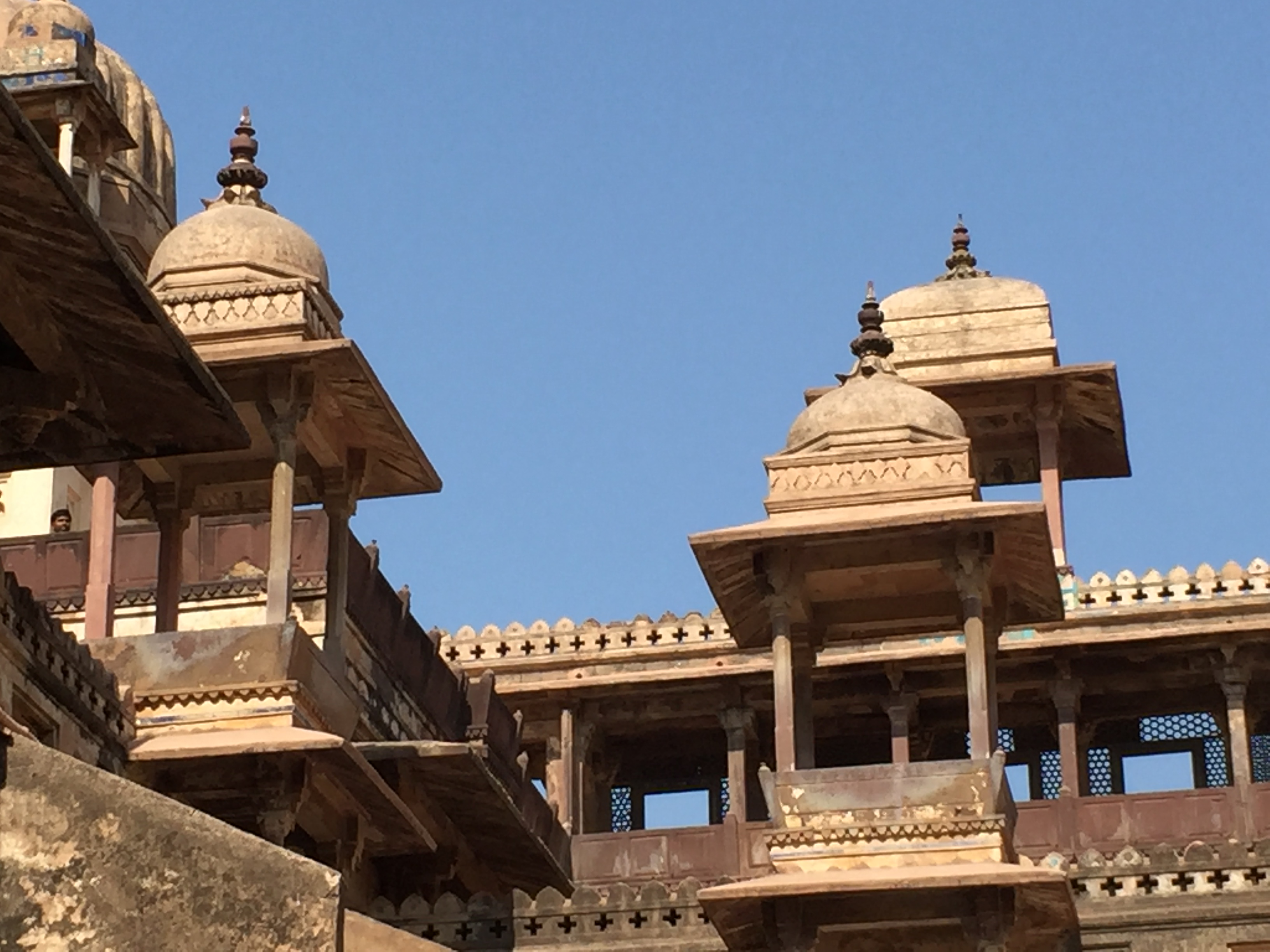 Towers.
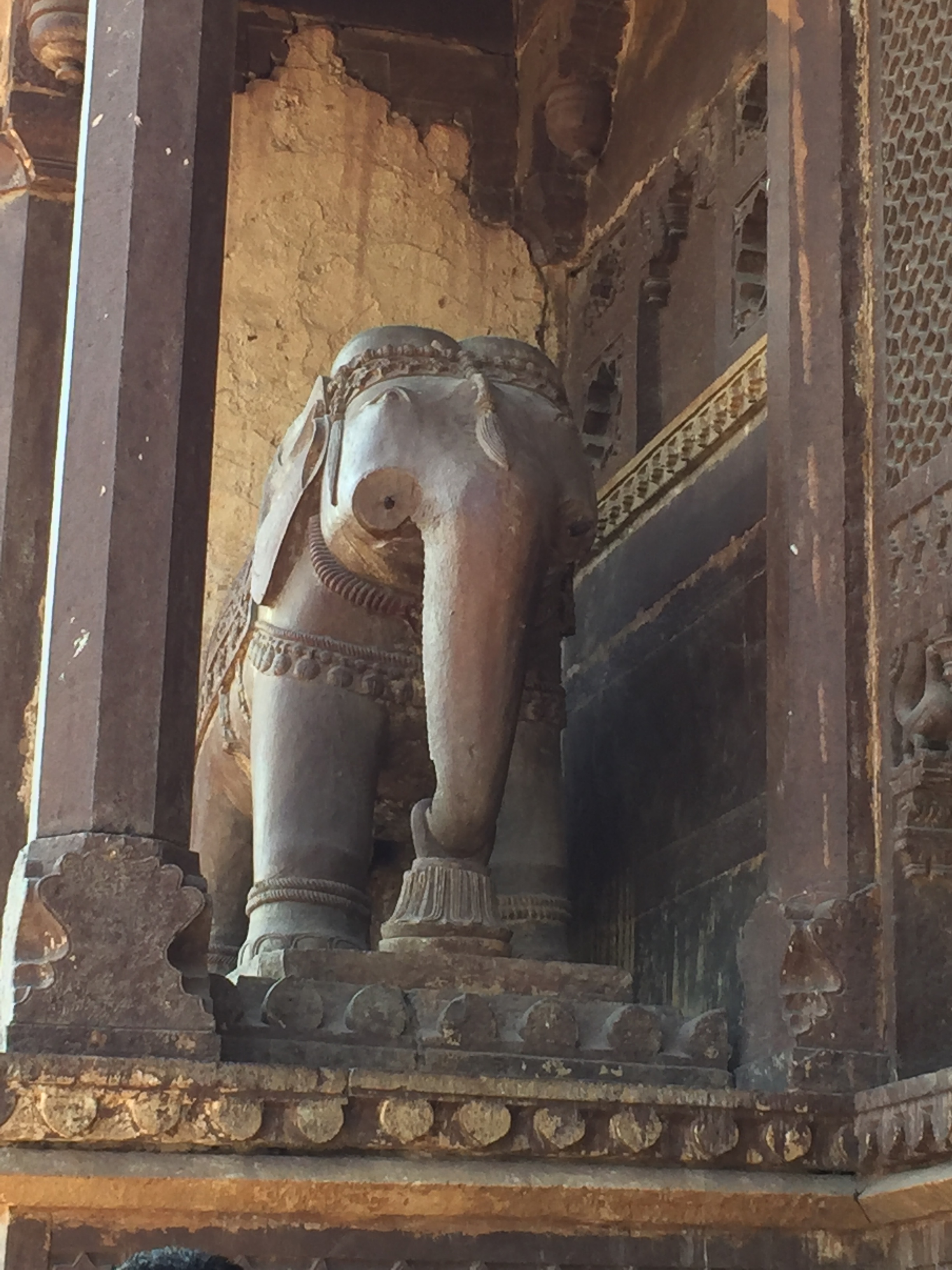 Guarding the palace door
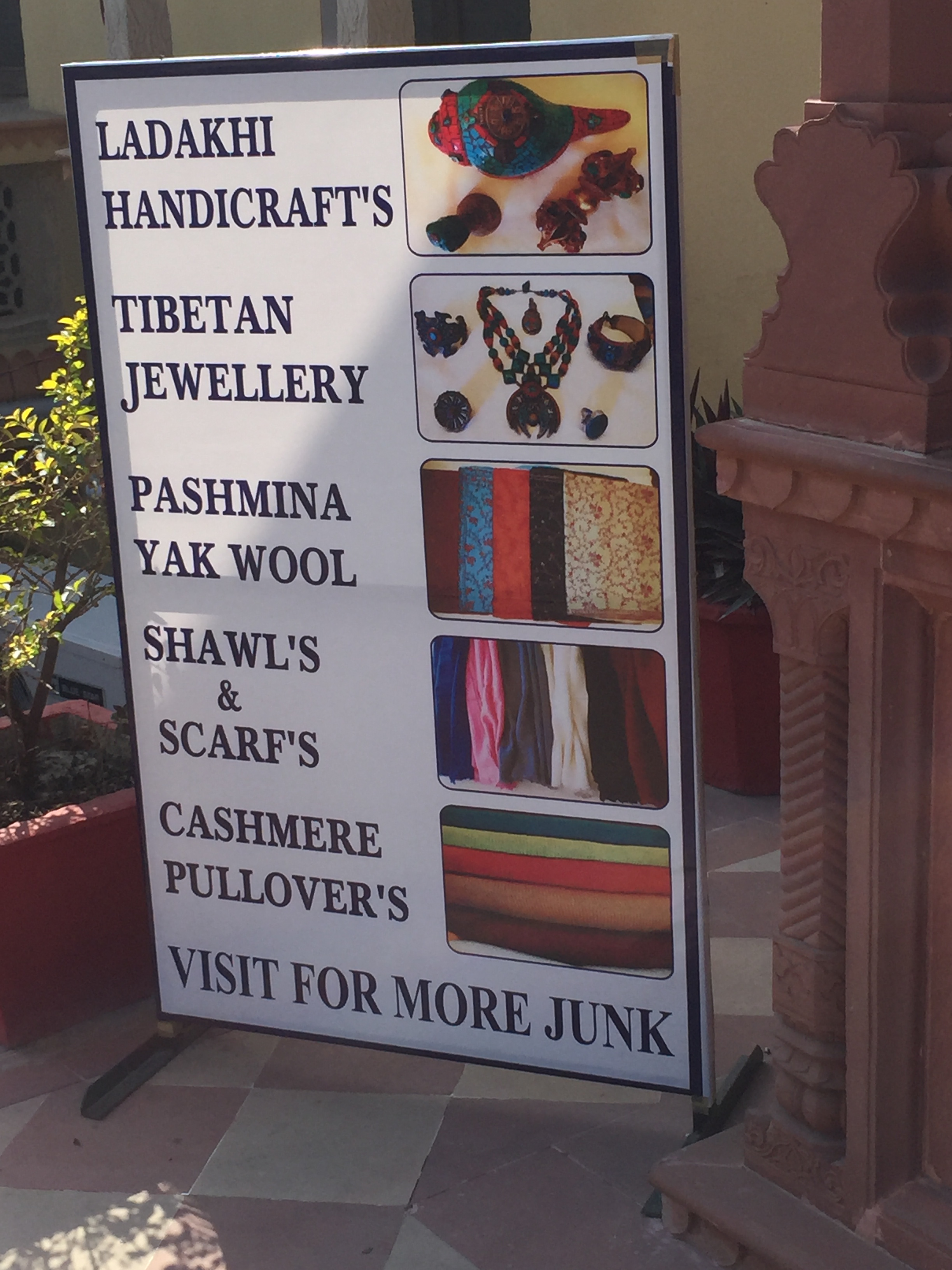 At our lunch stop we were entertained by this truthful sign!
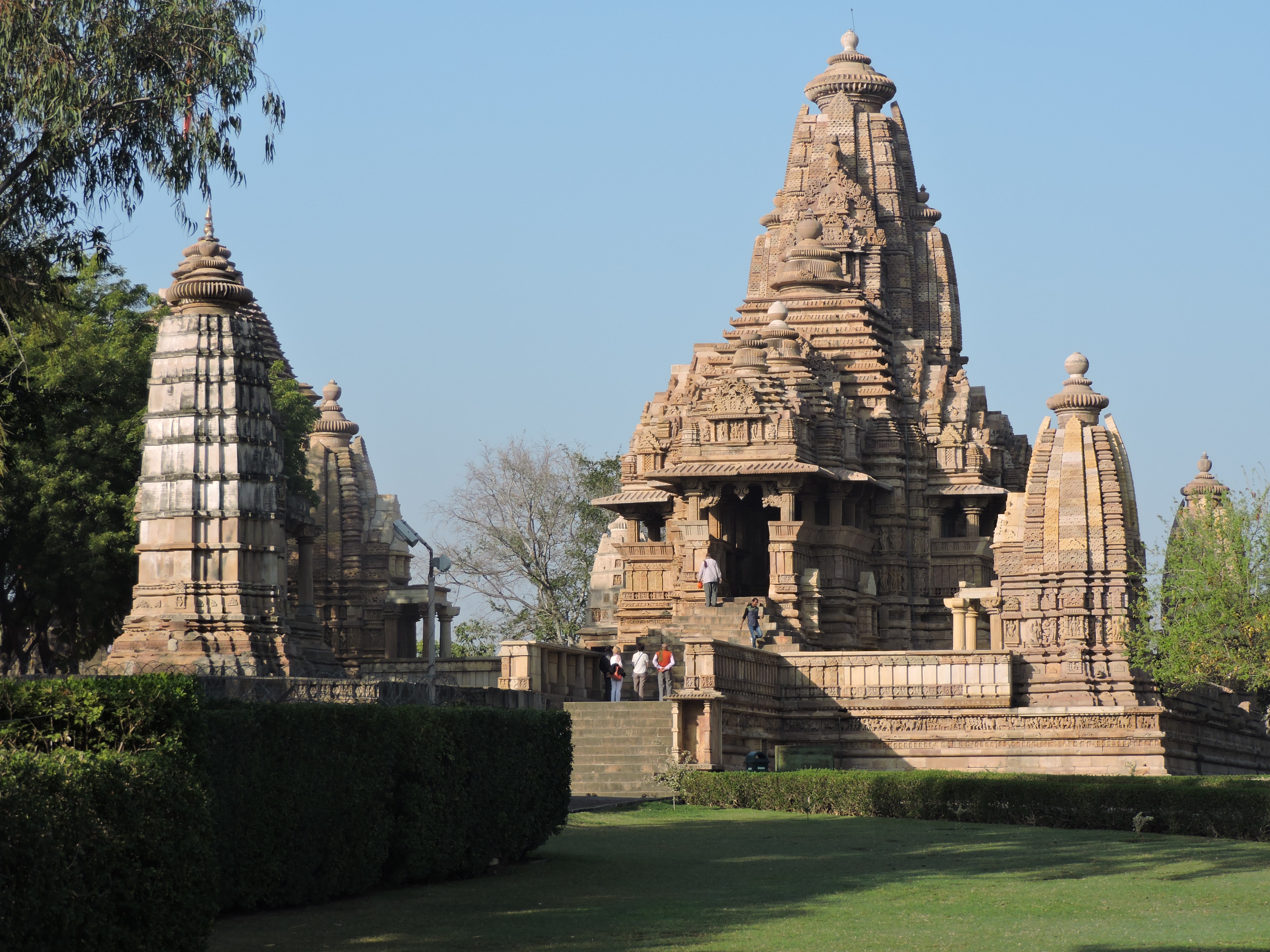 And finally, after a daunting 4 hour bus trip we finally arrived at Khajuraho, a name we could never remember so called it Kilamanjaro. Before I tell you about the temples a word about touching and relationships in India. Before the Muhguls invaded this temple complex was built over the years by the kings in the area. In those days in the 10th and 11th centuries, women were revered and cherished by the populace. They were well educated and held in high esteem by men. The religion practiced at that time was Hinduism and it was also pretty accepting of everyone. Then the Muhguls swept in bringing with them Islam and, boy! Did things change. Women were shut away and kept uneducated, there was little contact between the genders except under strict circumstances, and pretty much little love lost between men and women. So the society became more closed and strict and in my opinion, backward. But before that time it rocked and rolled!
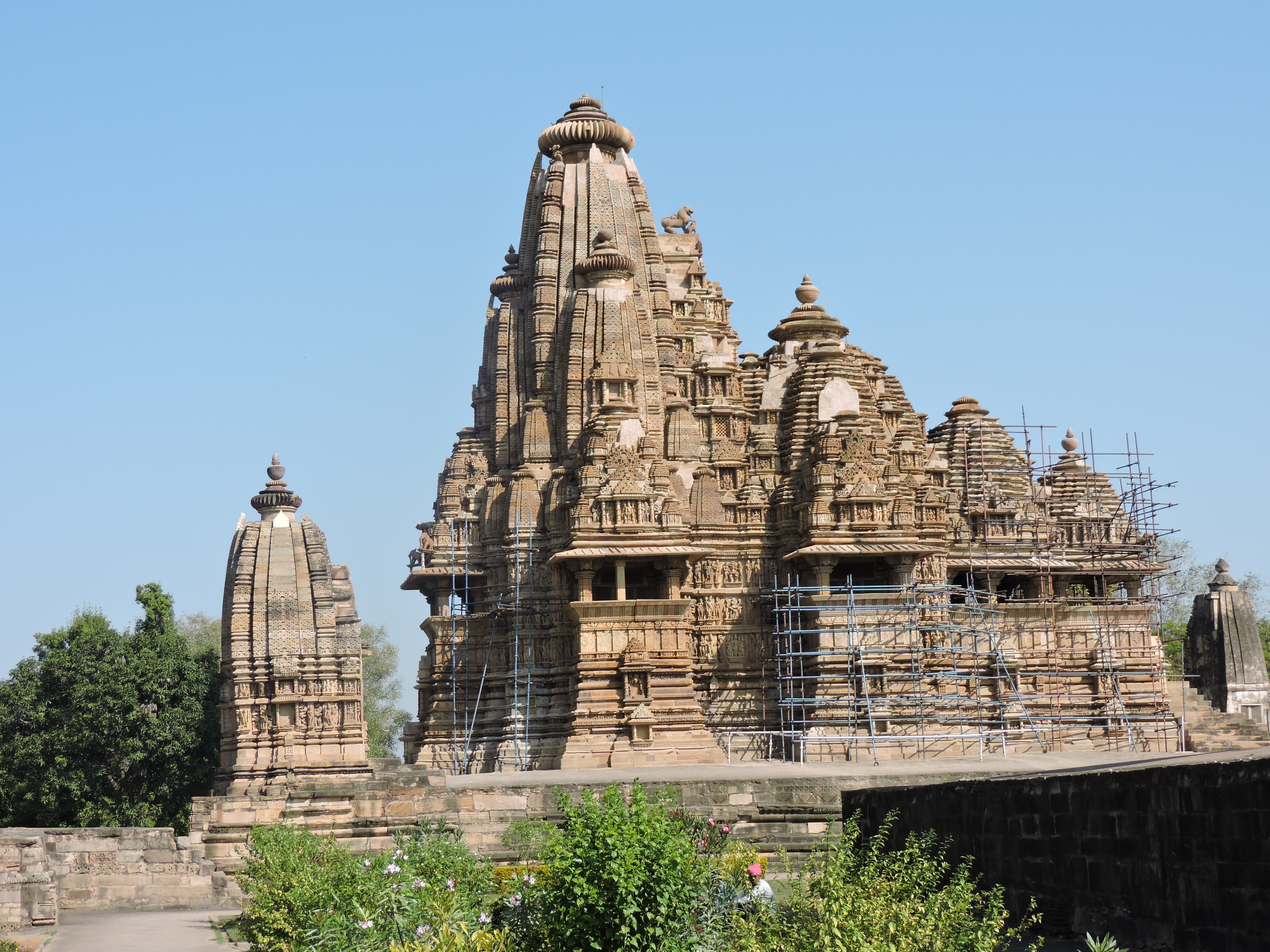
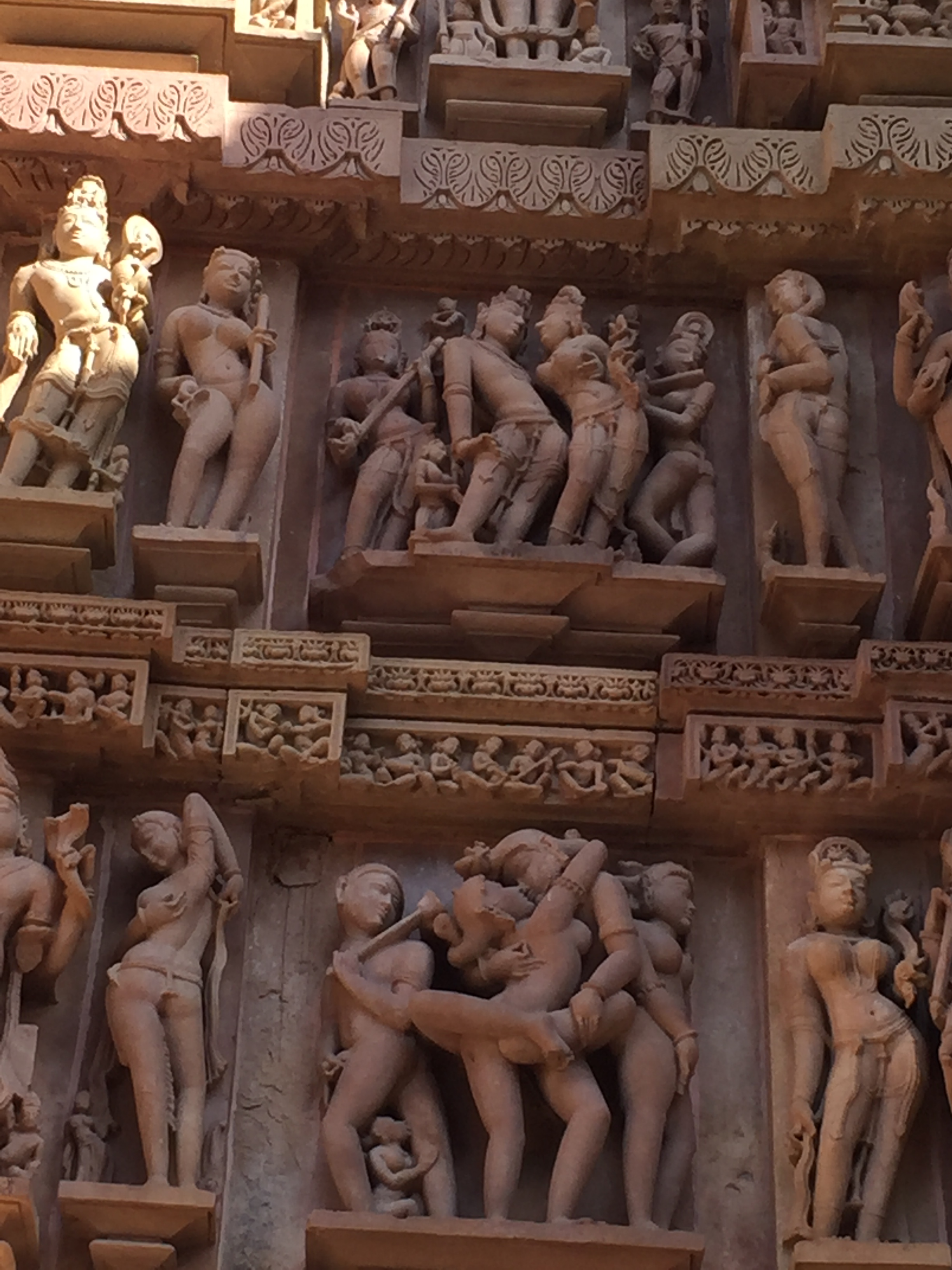
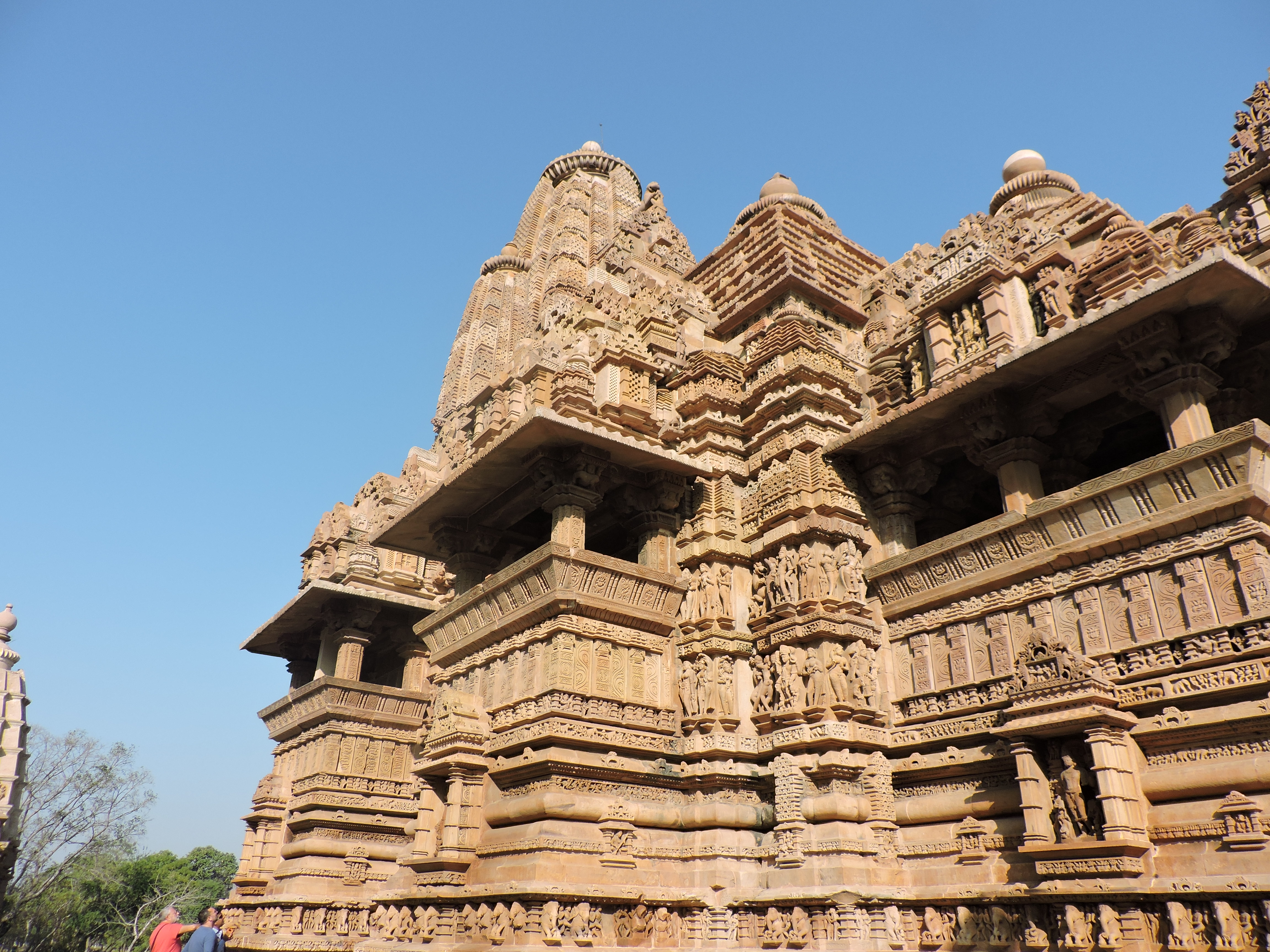 These temples sort of reflect those in Angkor Wat. They are in the Hindu style and the carvings on the outside, which were done in the huge, solid blocks of granite, have withstood the ravages of time and so provide a window into those long ago times.
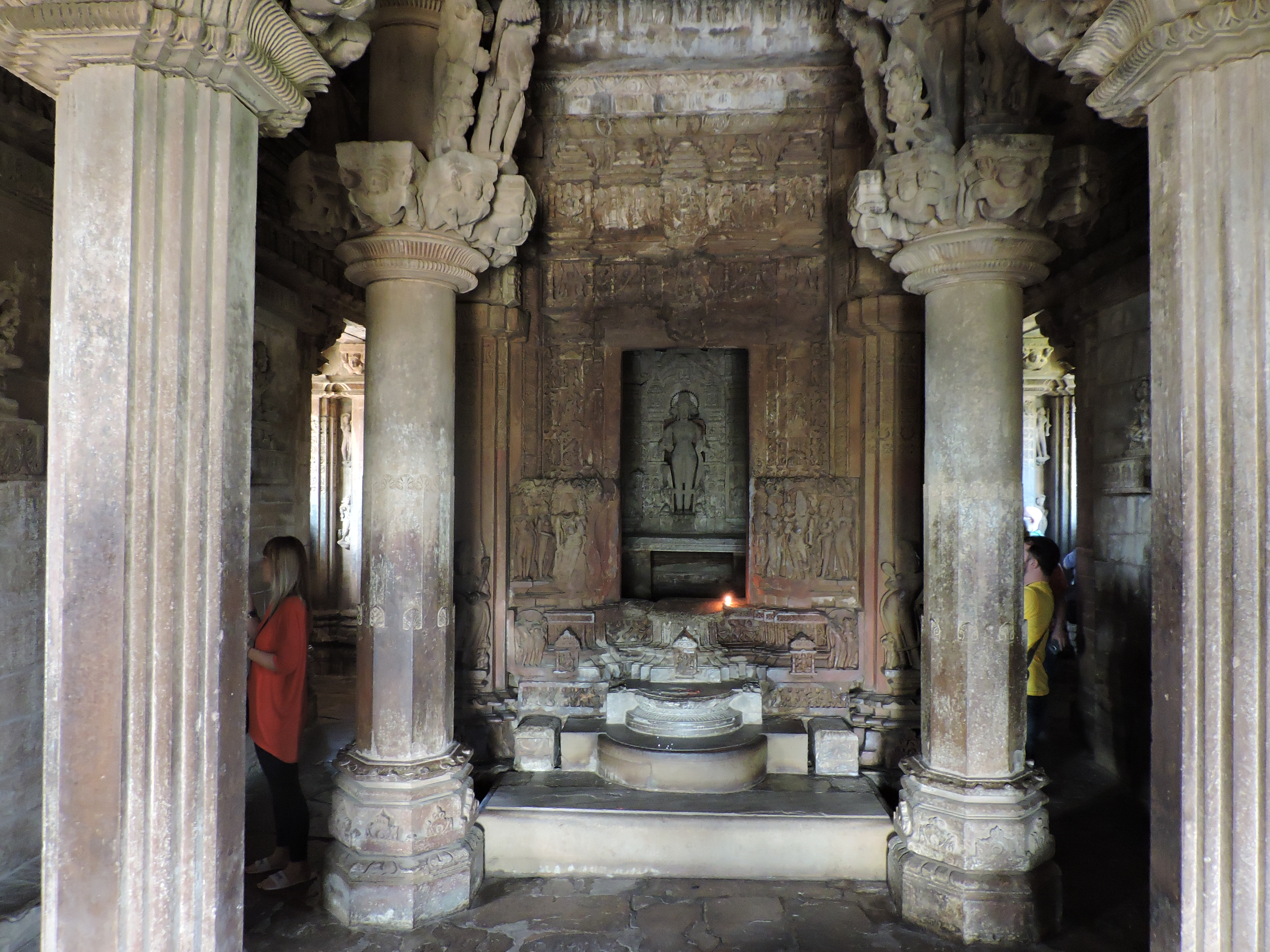 Shiva, Vishnu, and Rama were the main gods. They represented creation, destruction, and preservation.
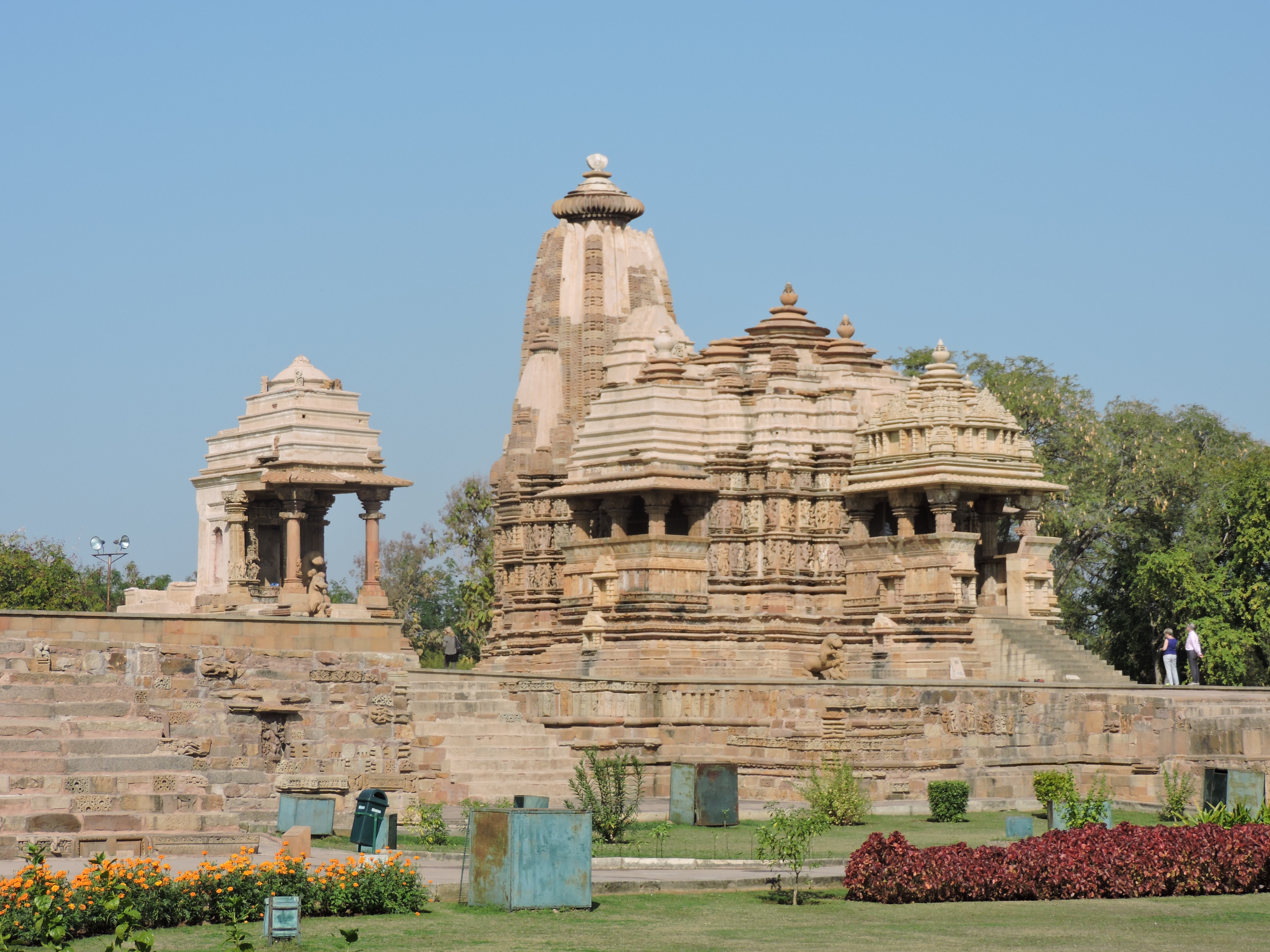 The complex has 25 temples each built by succeeding kings.
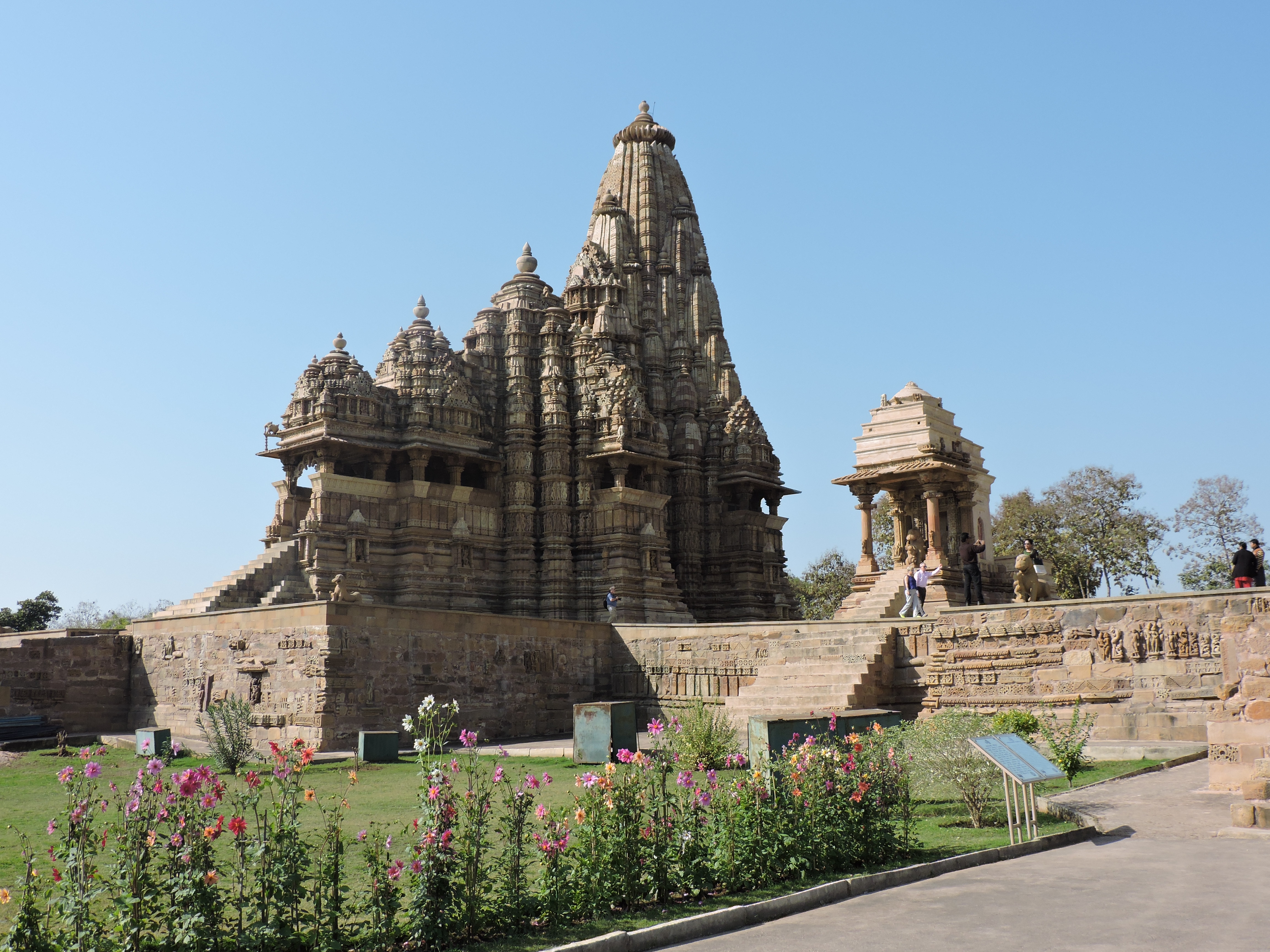
We walked around about 5 of them.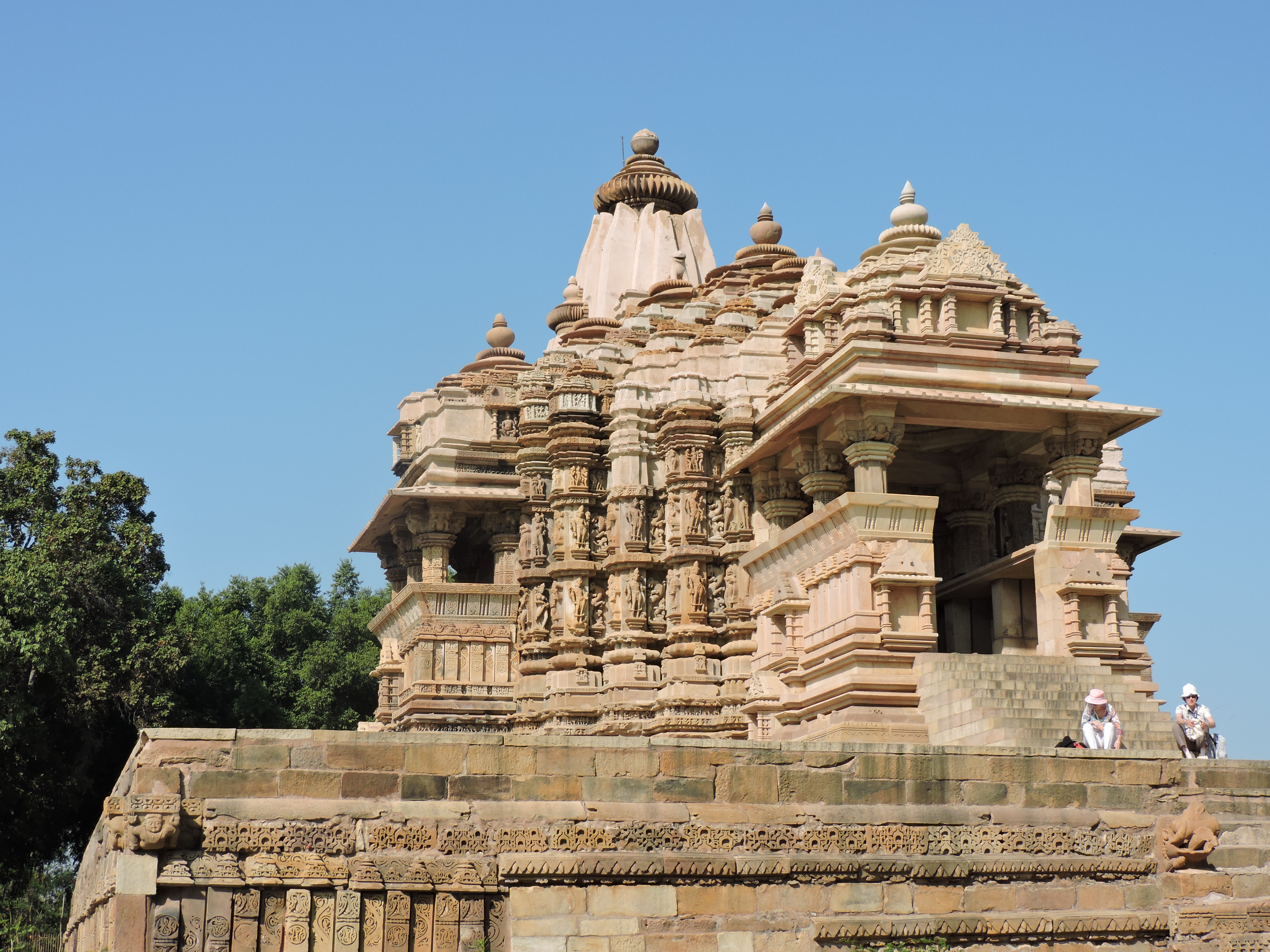 All were beautiful and celebrated life.
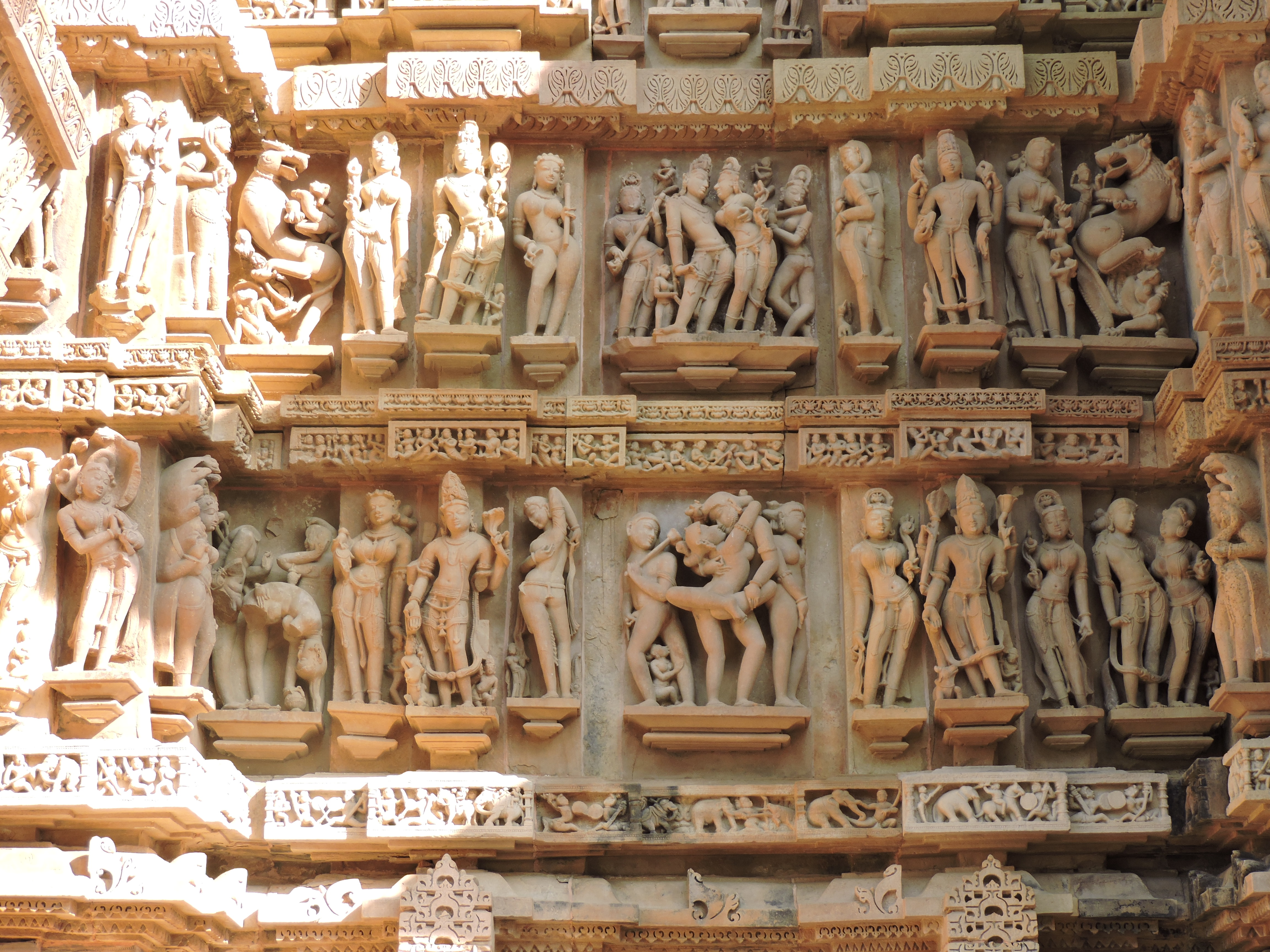 So here, it you go close, you can see the types of scenes depicted all over the outside of all the temples. Erotica was the word of that day and celebrated in it’s fullness. This is the place the Kama Sutra was invented and my back still hurts from looking at the positions shown on the exterior of these temples. Very interesting day!
 Mark and Kathie's Excellent Adventure