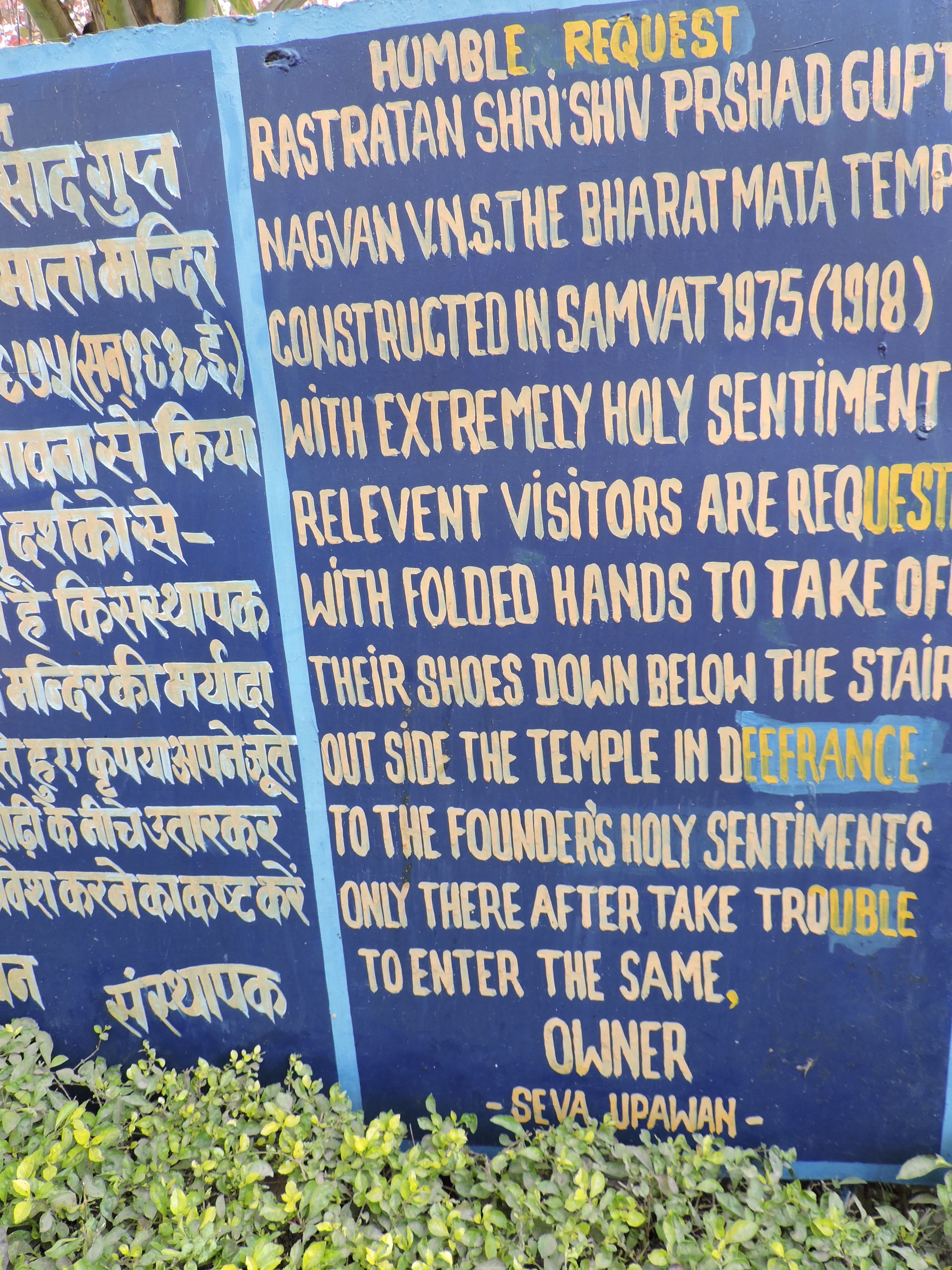
 I love it when my pictures load totally out of order, so we will talk about these as they come! We took a flight from Khajuaho to Varanasi to visit the holiest city of the Hindu religion. Here people come to bathe in the Ganges or Ganga-Ji, and be cremated to bring an end to the cycles of reincarnation. The incomprehensible sign above is at AFT (thanks to the Canadians for this acronym) which was built in the 1930’s and has a carved marble, to-scale replica of India.
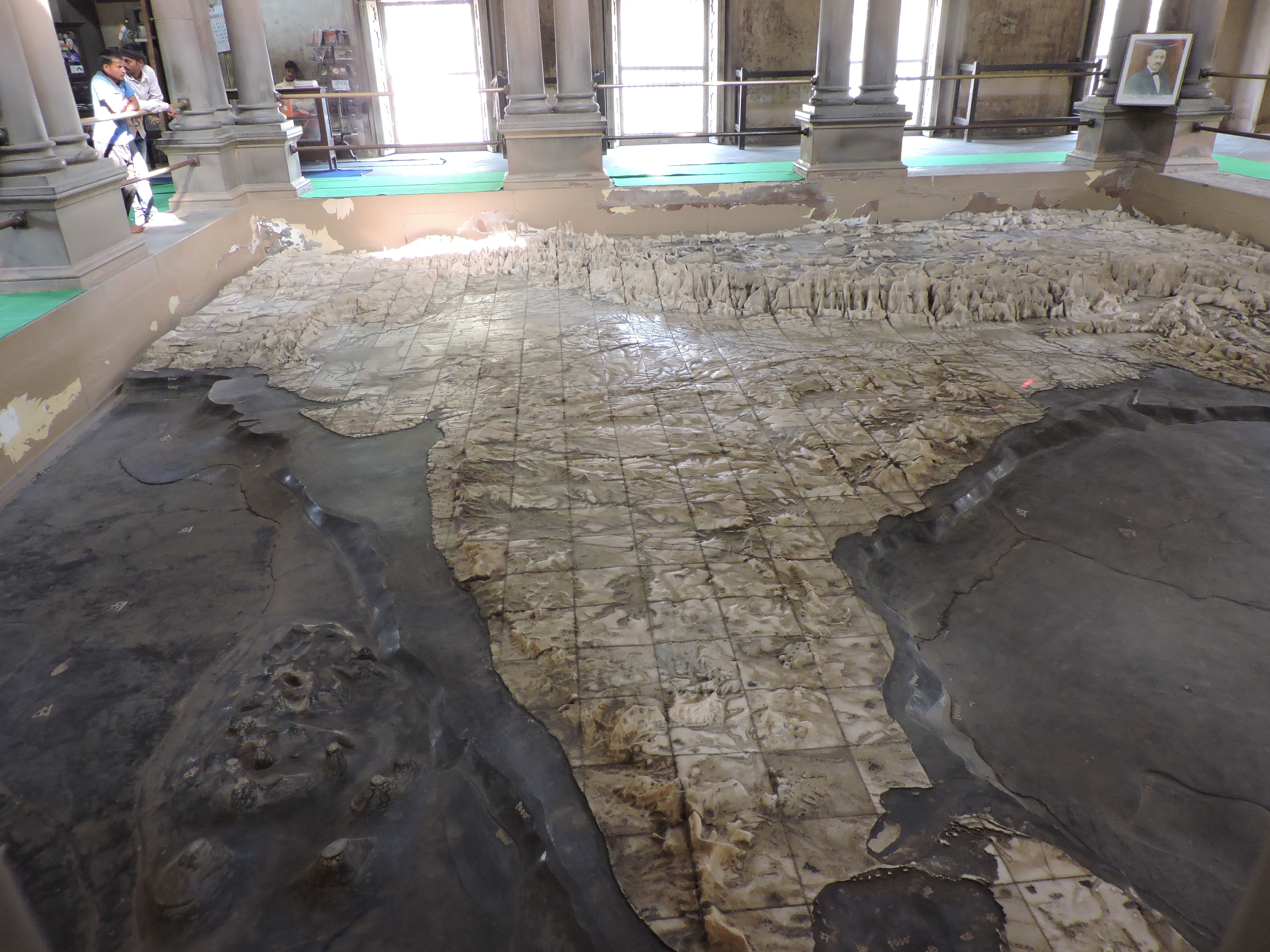 Here is the beautiful relief carving of India.
 An eagle perched on a microwave tower outside our hotel window.
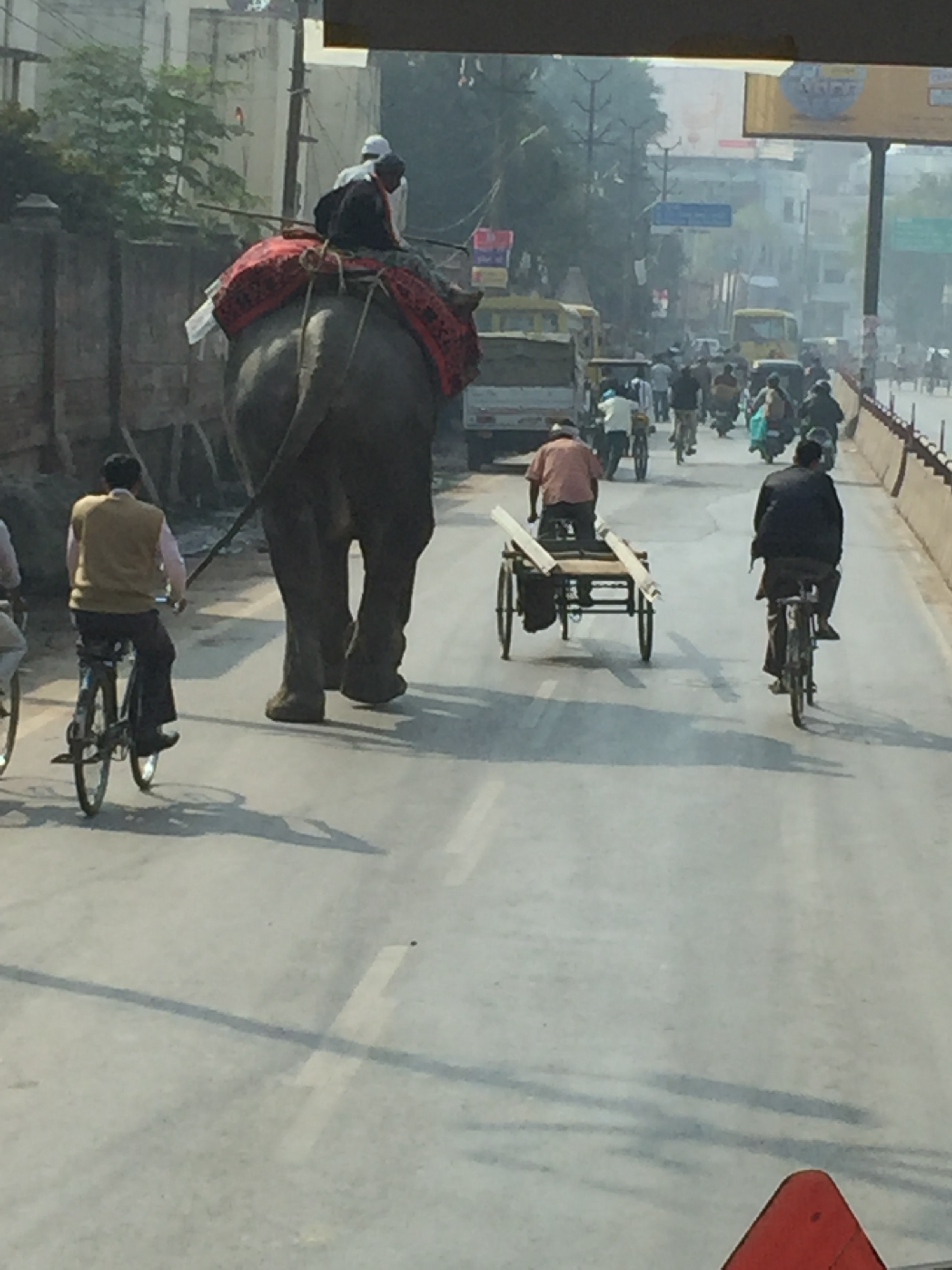 The ultimate Share the Road experience!
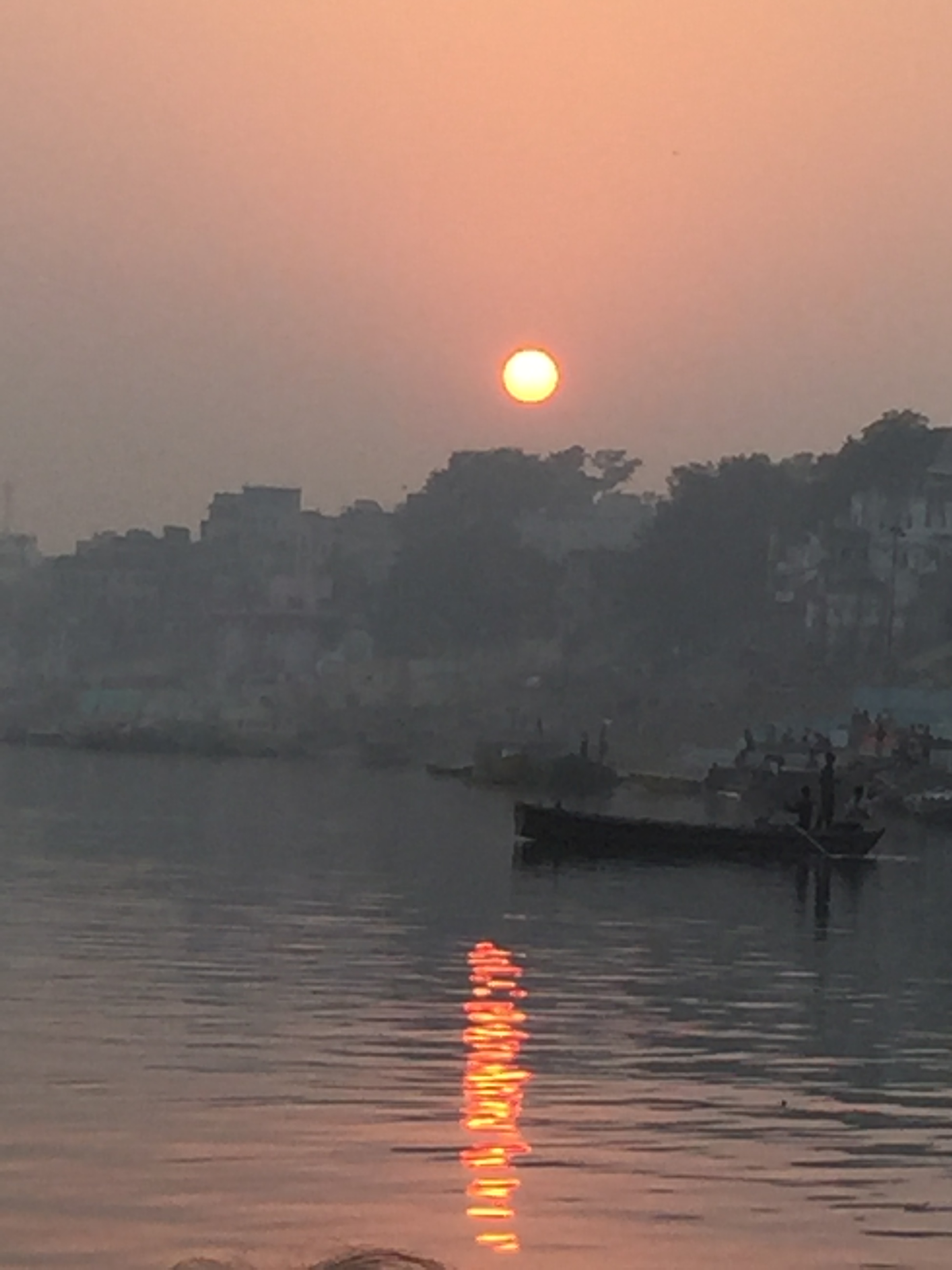
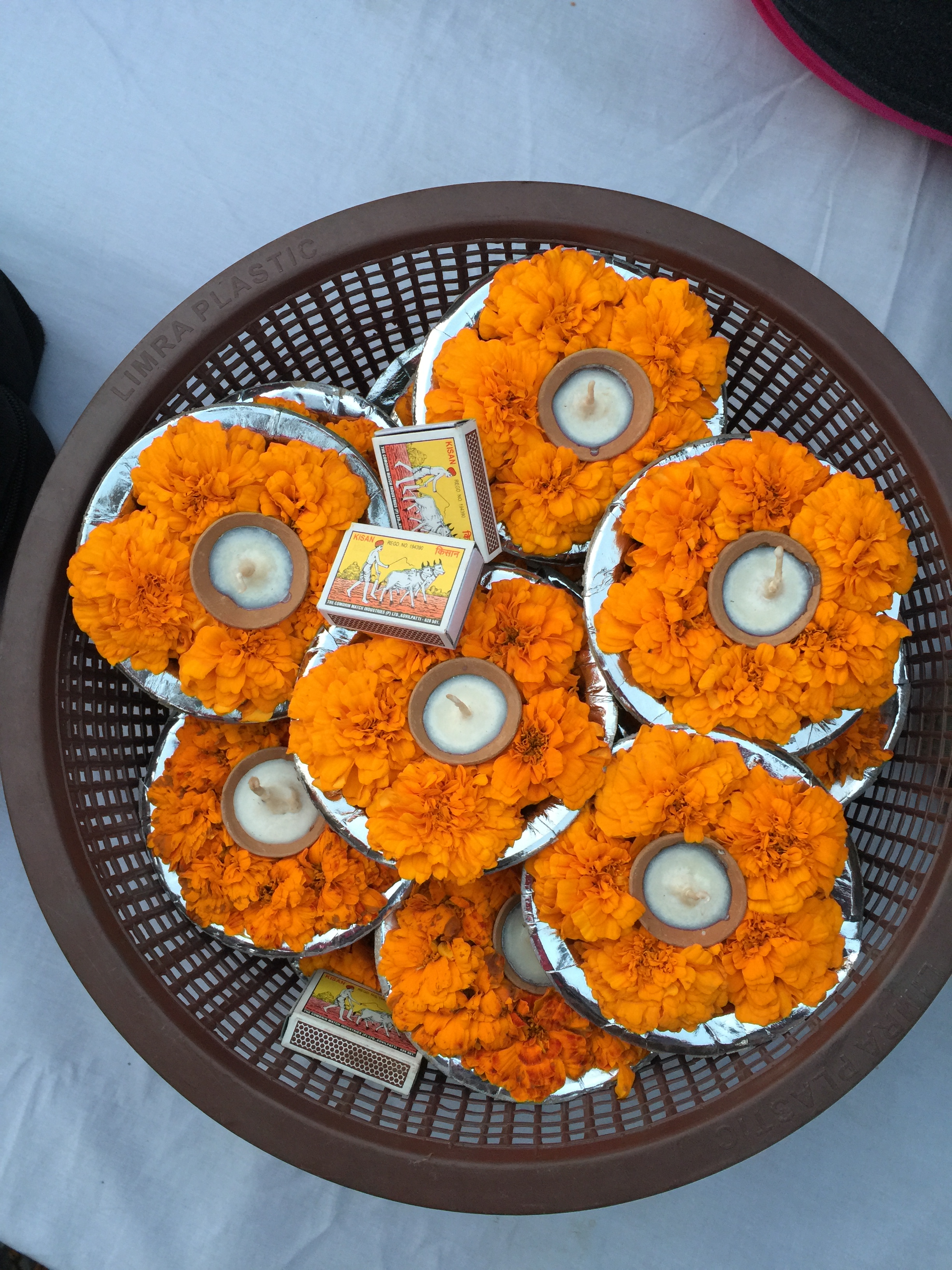 Sunset on the Ganga-Ji. Our offerings to the spirits of our loved ones who have departed.
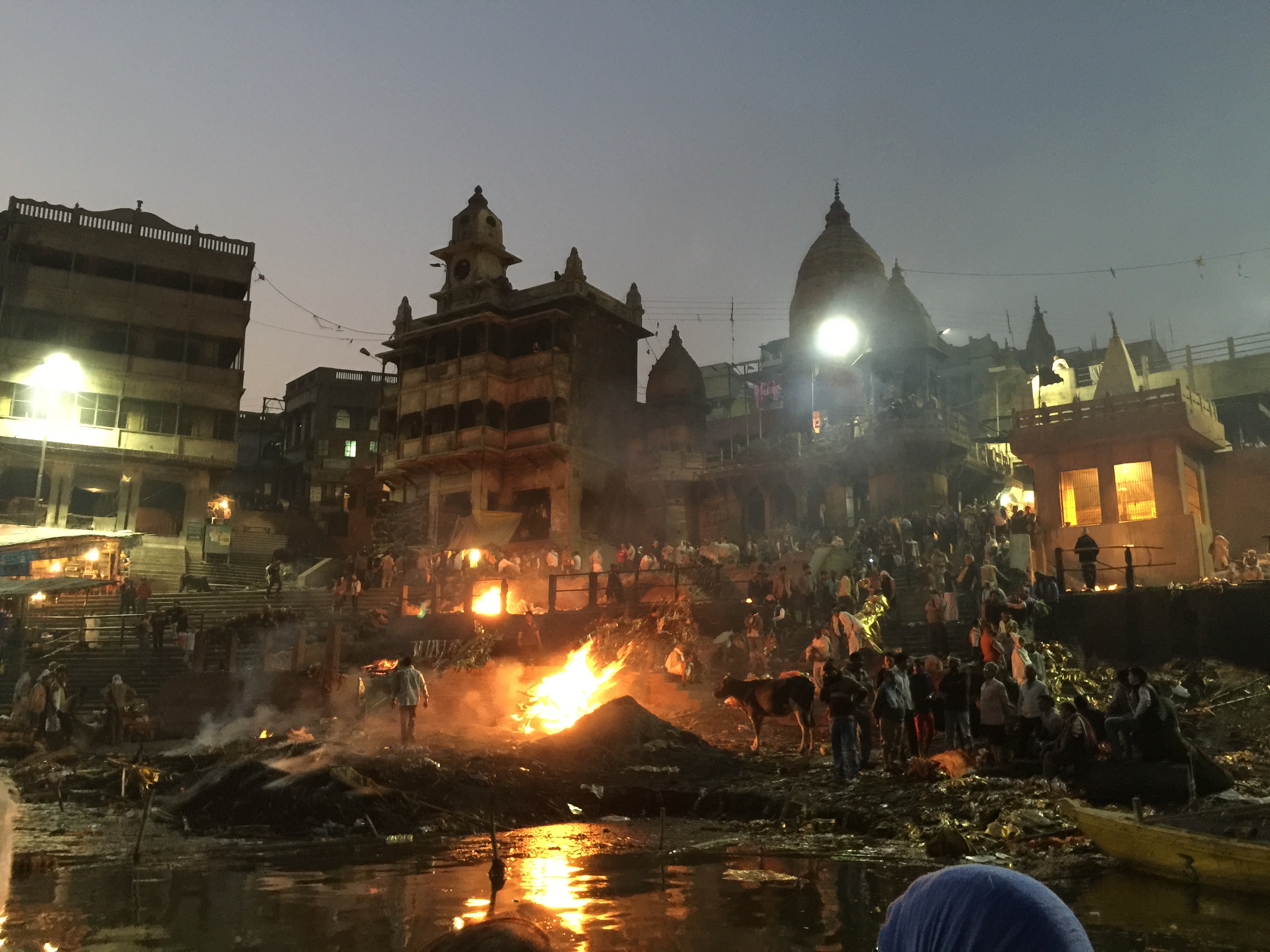 Ritual cremations. Bodies are carried on plinths to the river and dunked in. They are treated with herbs which nullify any smell. The family bargains with the king of the fire for the cost of the cremation. The body is placed and fire wood stacked around it. The fire is brought from the temple where the bright light eminates. The fire burns for 24 hours and at the end the chief mourner brings a container of water from the river to pour over the smoldering ashes. He takes some of the ashes and puts them in the River.
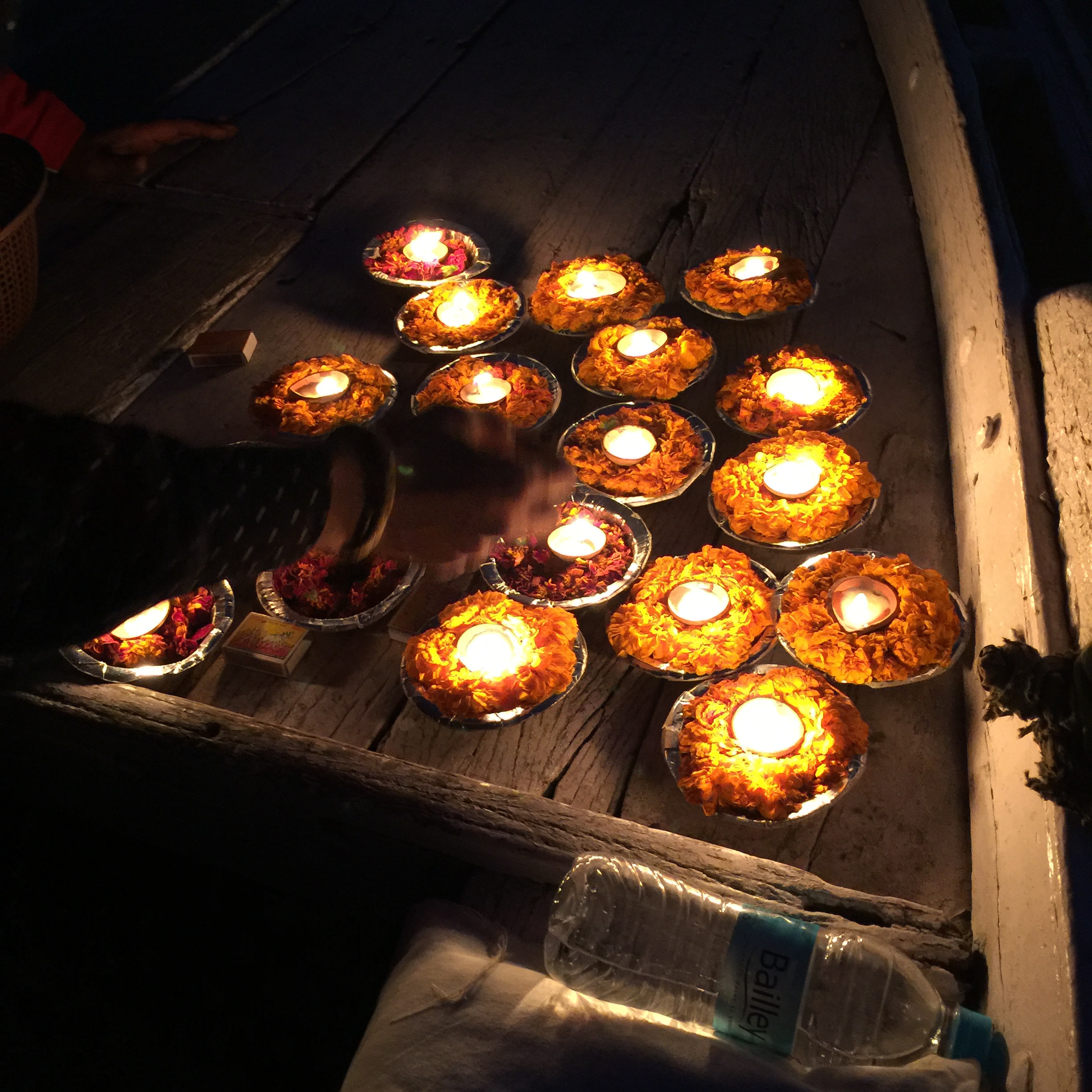 We light our offerings and set them adrift in Mother Ganges.
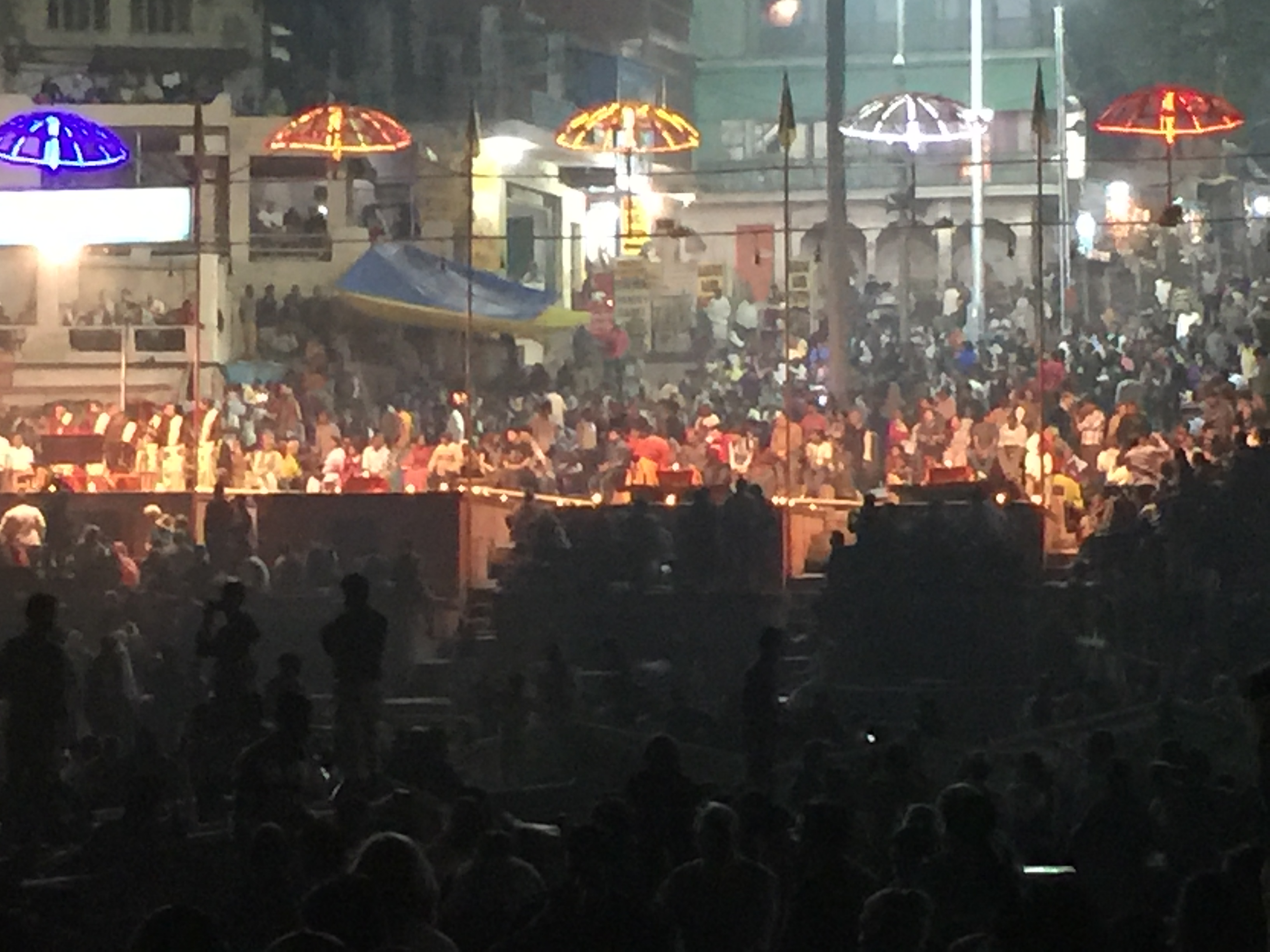 Every night tens of thousands of people come to say goodnight to the river. There is chanting, singing, dancing, and burning of symbolic torches. Then, every morning the ritual is repeated to say good morning to Mother Ganges.
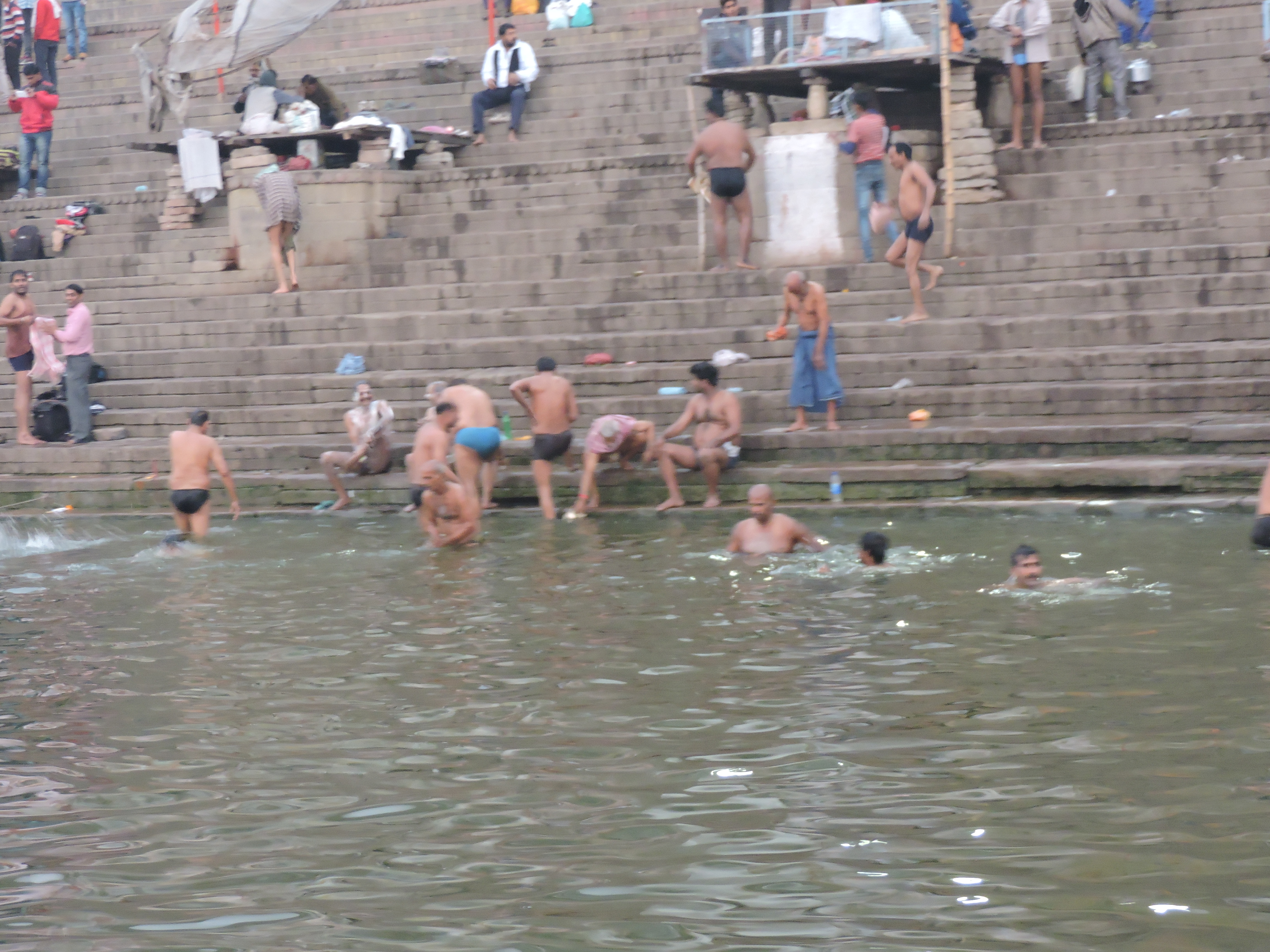 Once in their life time every Hindu wants to bathe in the Ganges. Their immune systems are among the best in the world because this doesn’t kill them.
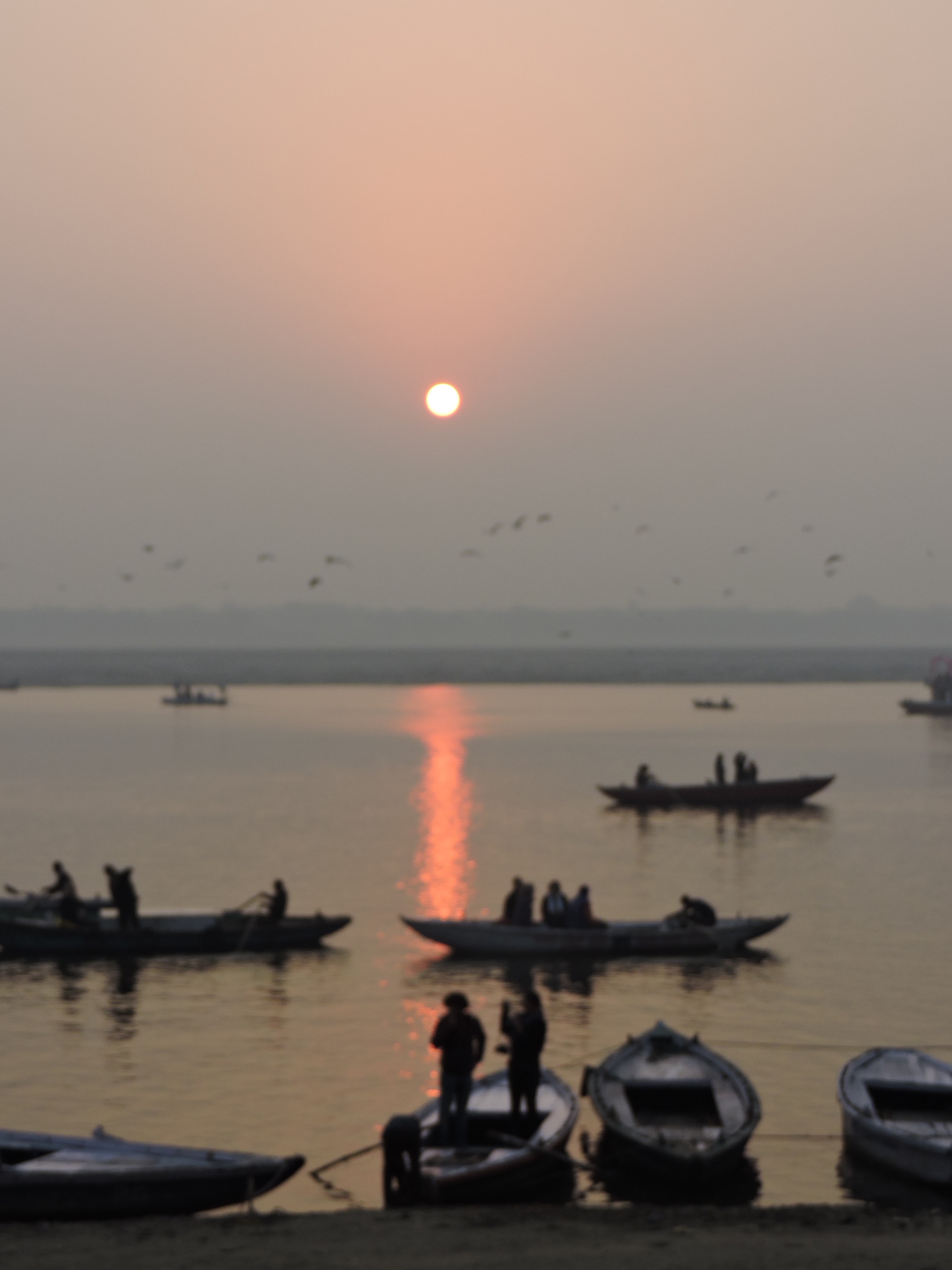 Sunrise over the Ganga-Ji. We also visited the red Monkey Temple and the complex where a mere 2500 years ago Buddha delivered his first sermon after attaining enlightenment. This is another pilgrimage spot for Buddhists and Hindus. It was a beautifully quiet oasis in the hubbub of Sarnath.
our epic journey in India is now over. We stopped for two days in Beijing to see the Forbidden City and climb the Great Wall.
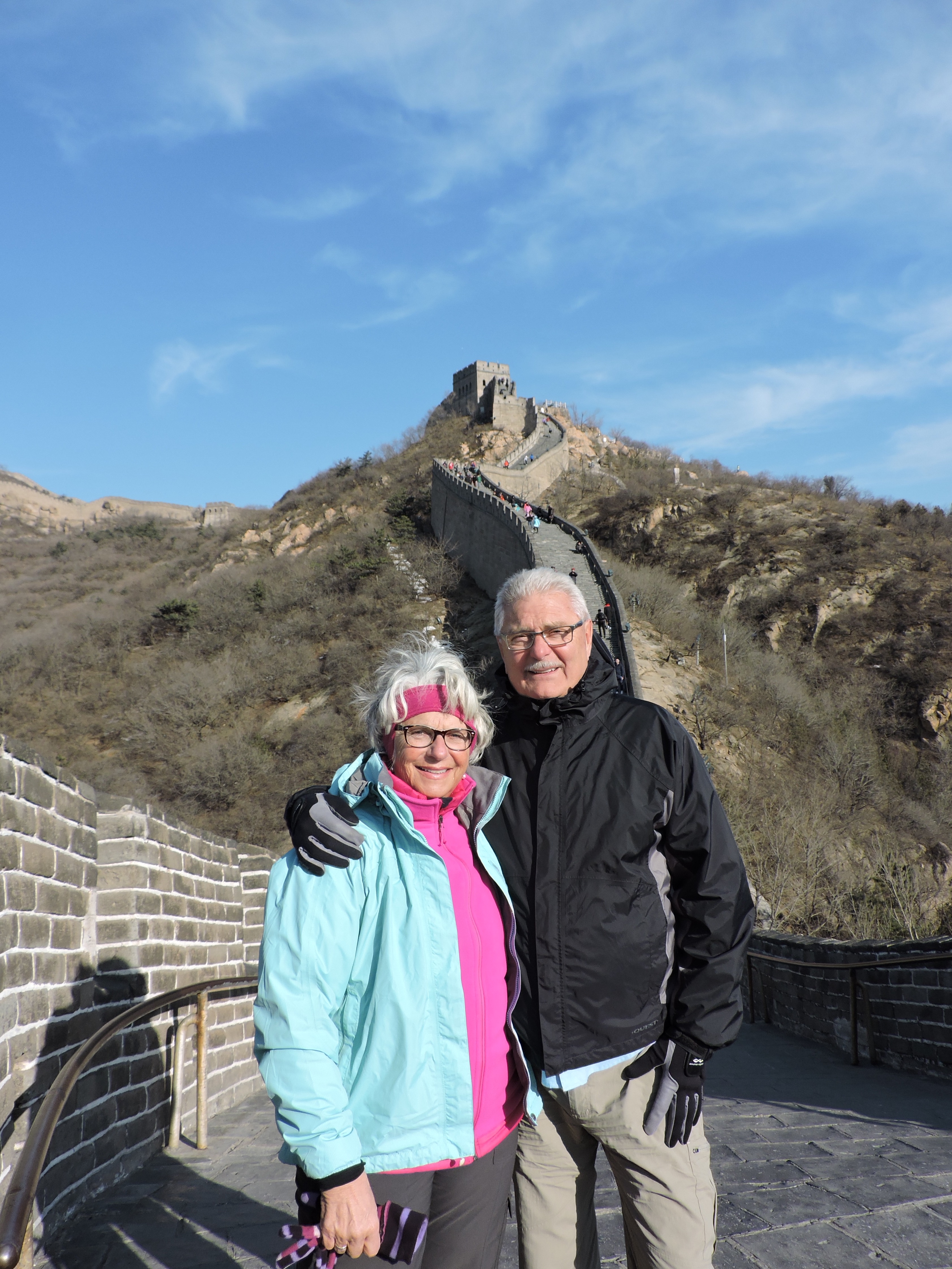
 Here we are at the Ba Da Ling section of the Great Wall.
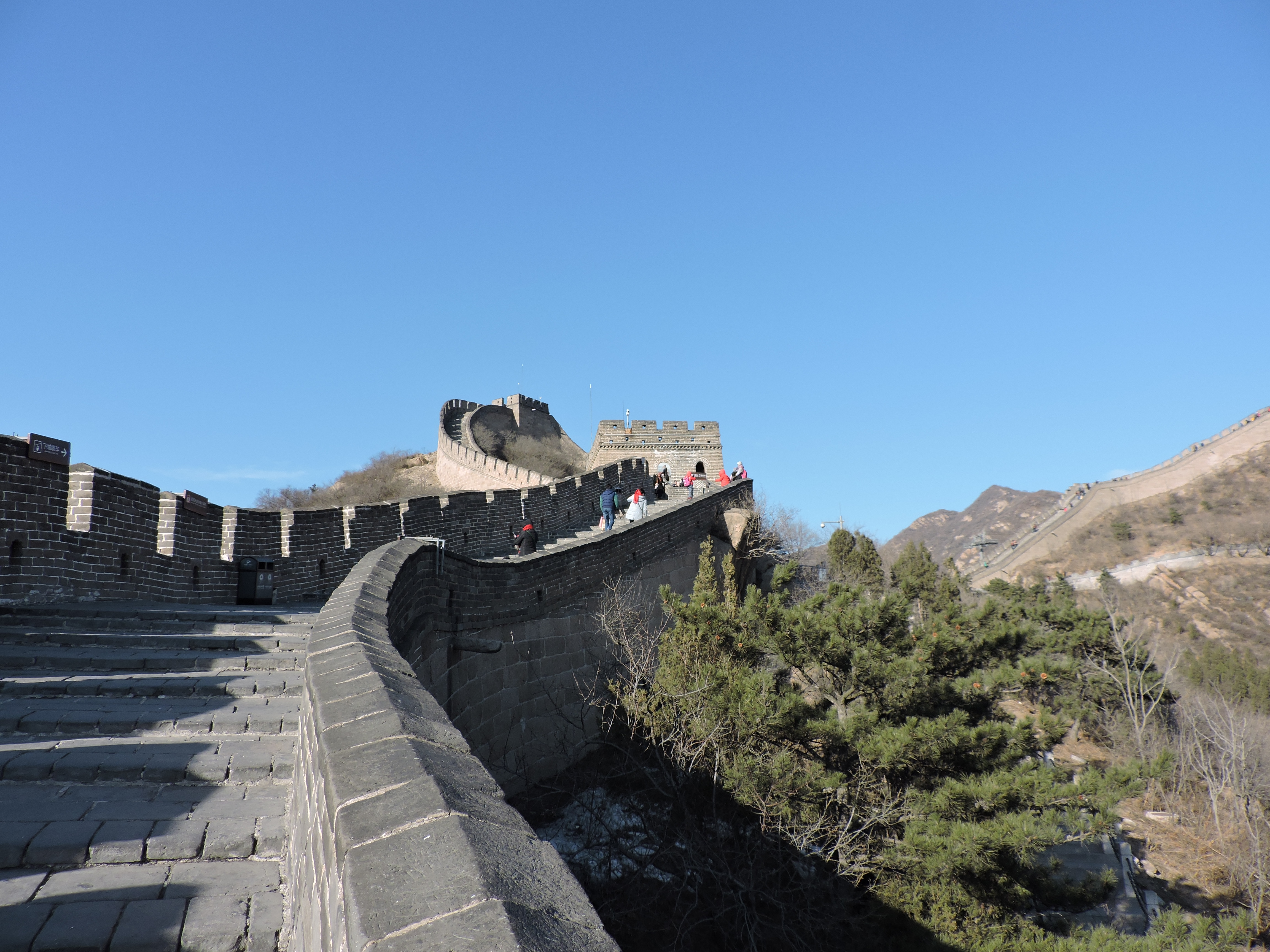 This sucker is steep! Mark and I made it to the fourth tower, Kallie made it the whole way!
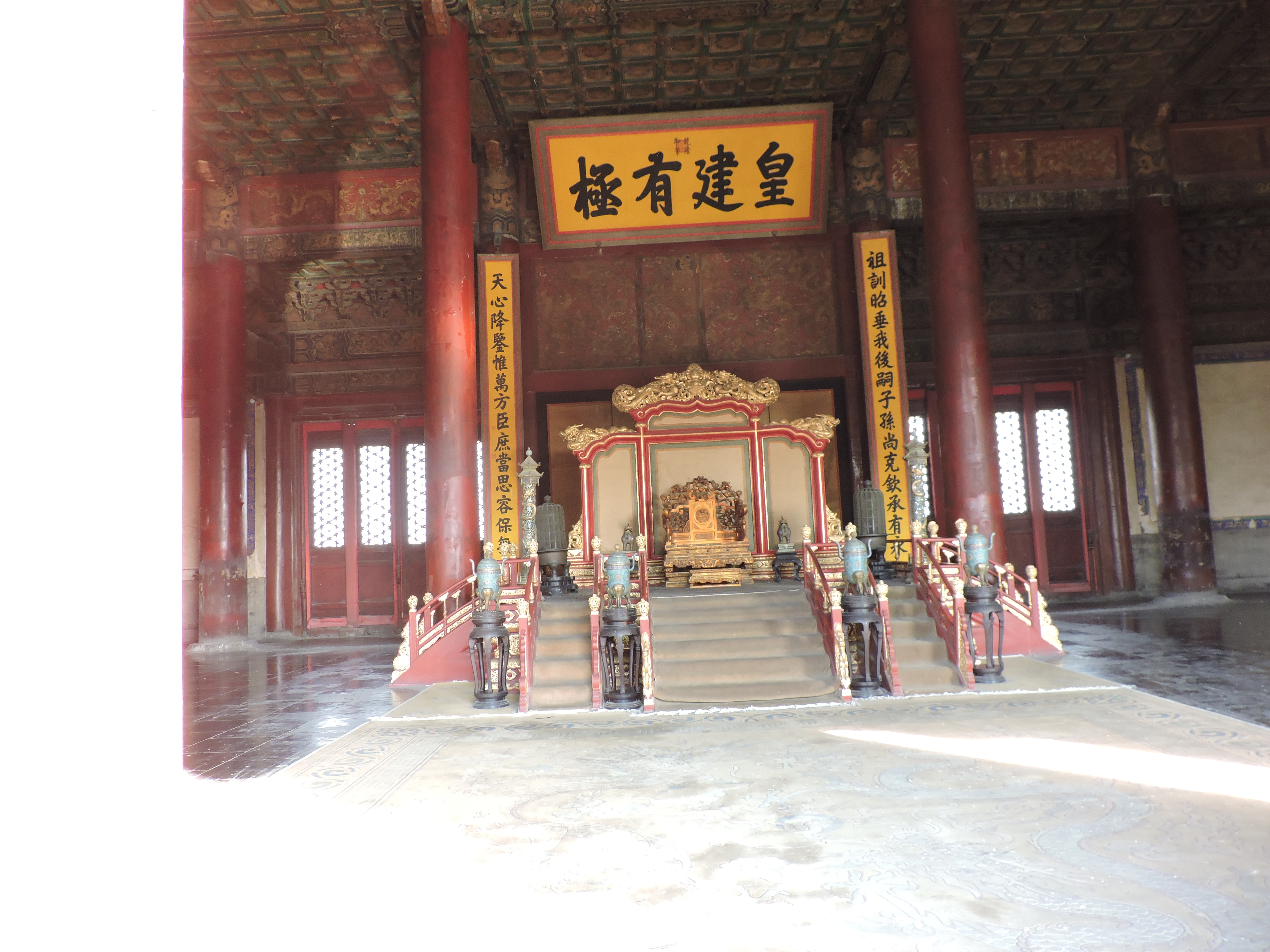 One of the throne rooms in the Forbidden City.
Our trip is now over and we are home with wonderful memories and many new friends from this great adventure!!
 Mark and Kathie's Excellent Adventure