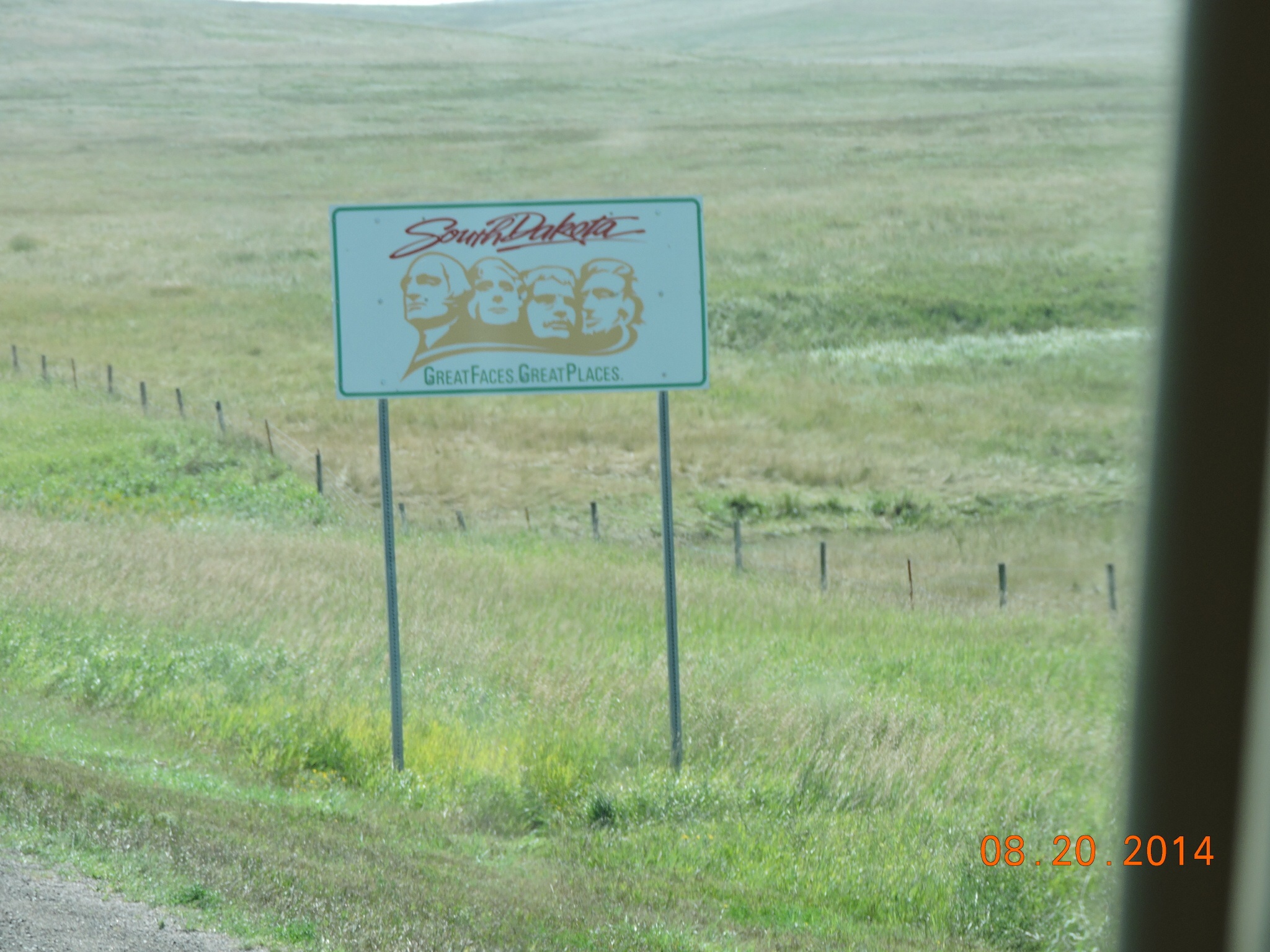
 Yes, South Dakota is up next! We went from Medora to The Black Hills, which is actually not a national Park but a series of state parks. We drove on a VERY straight road from north to south. We drove by the highest point in North Dakota, White Butte (3506), and past the “geographical center” of the US west of Redig, SD (really? Don’t see it.). We got to historic Deadwood and enjoyed the rain for three days! But, we did see some great things.
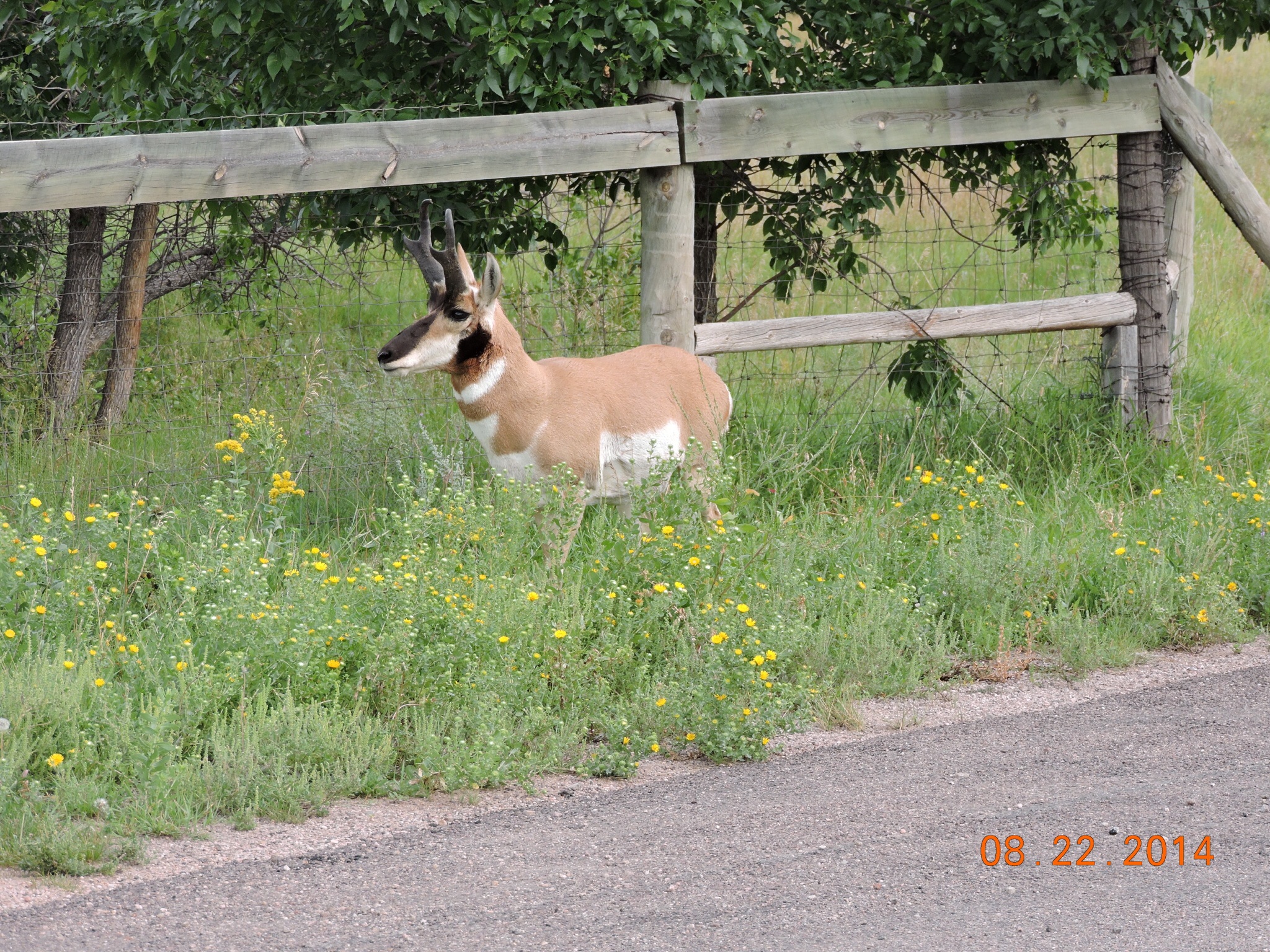
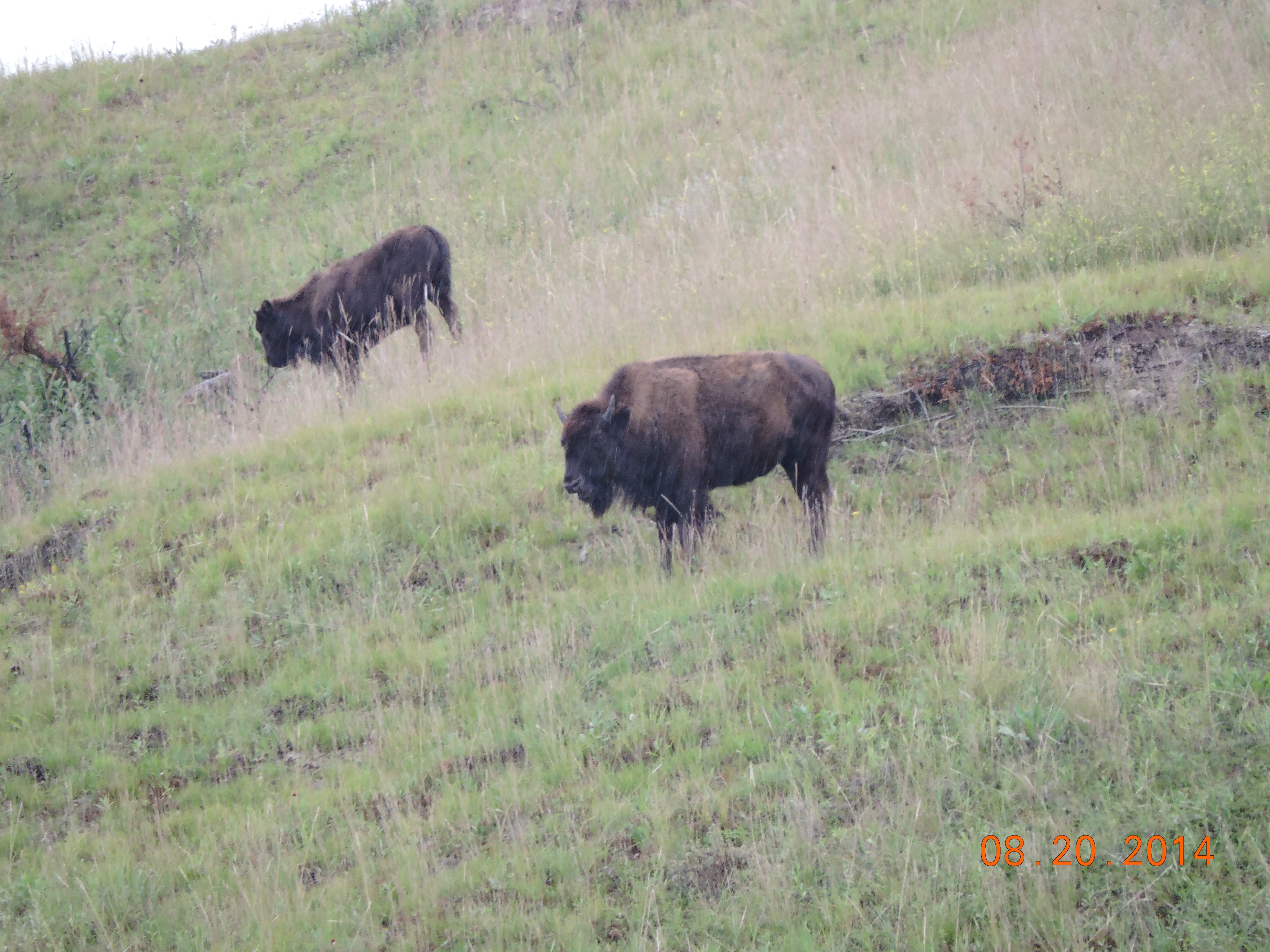
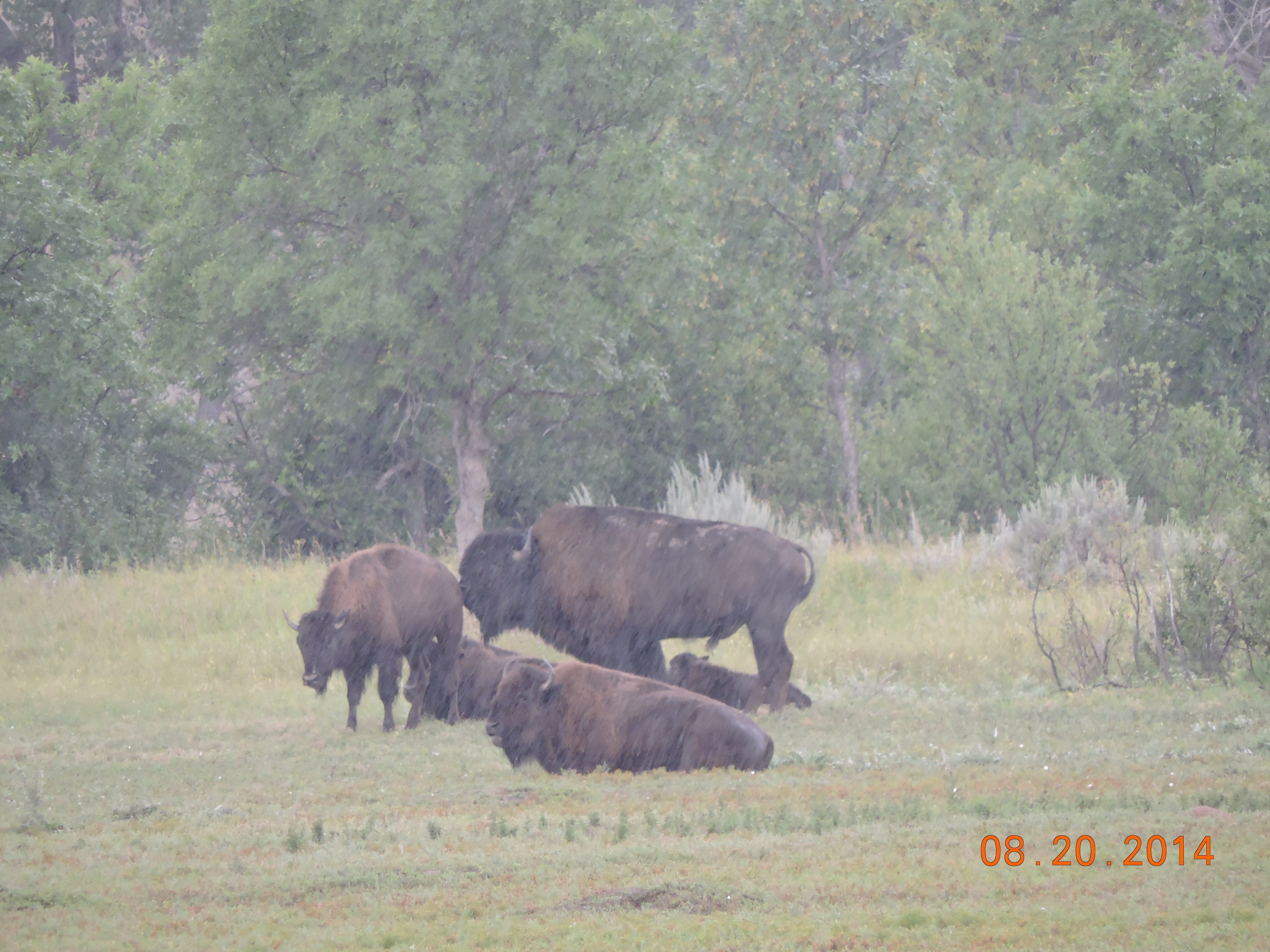
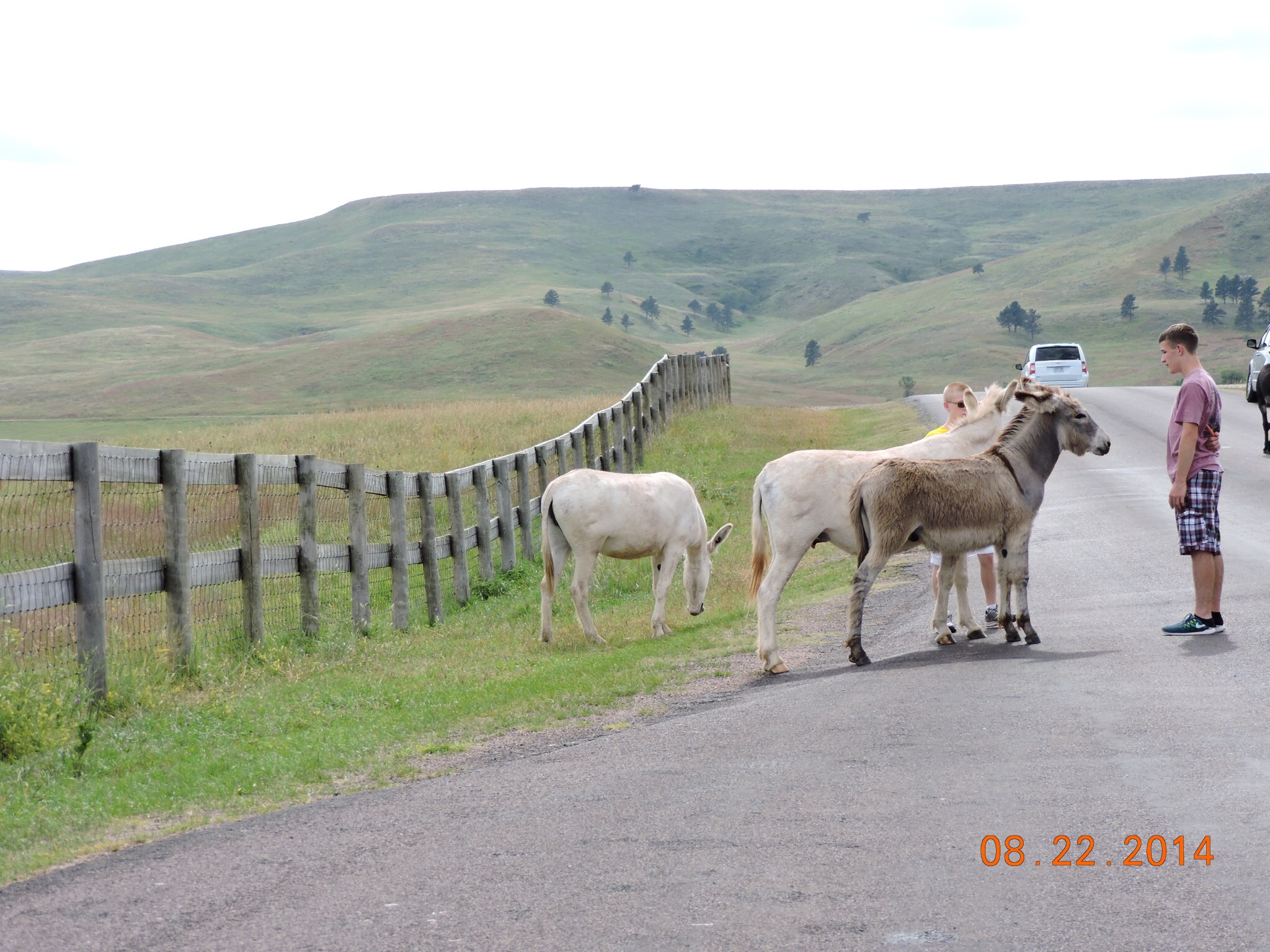 On a drive around a loop in the Black Hills we encountered more bison along with a pronghorn, and these wild borrows which were originally brought into the park to carry tourists up Harney Peak, highest peak in SD at 7242 feet.
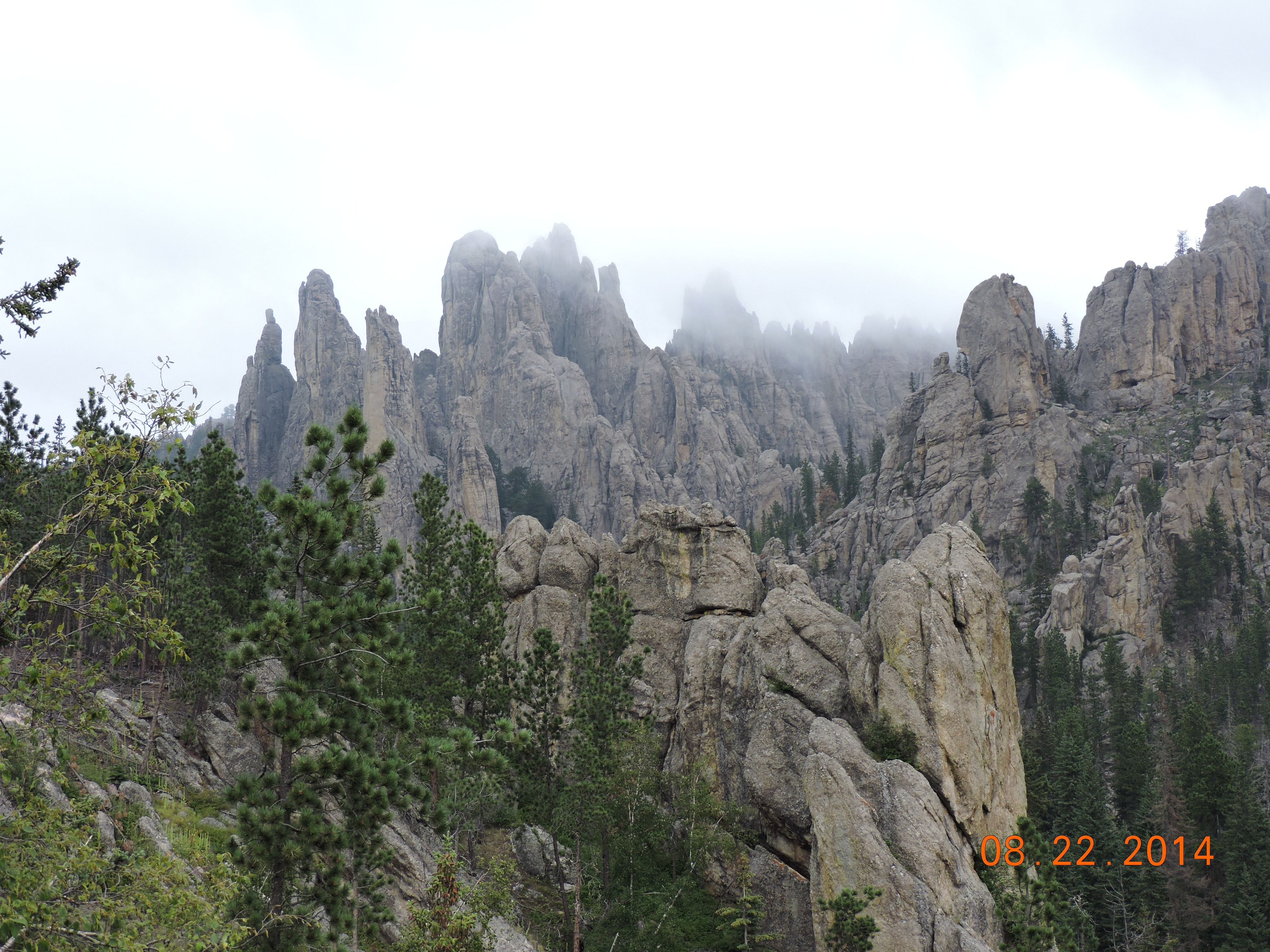
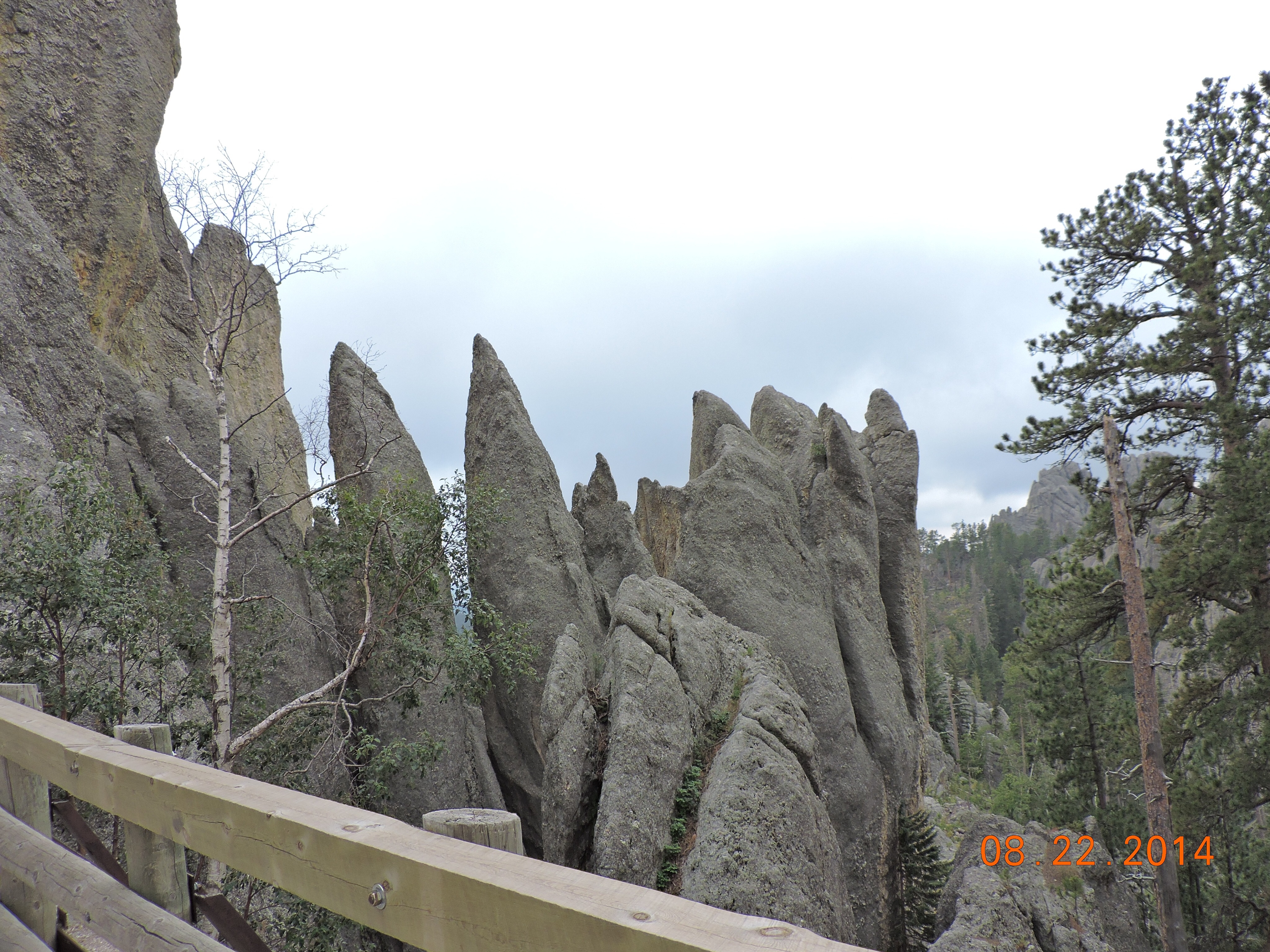 As the fog rolled in at the higher elevations we drove over the Needles Highway. What we could see of the spectacular rocks and twisty, windy road made for an enjoyable trip.
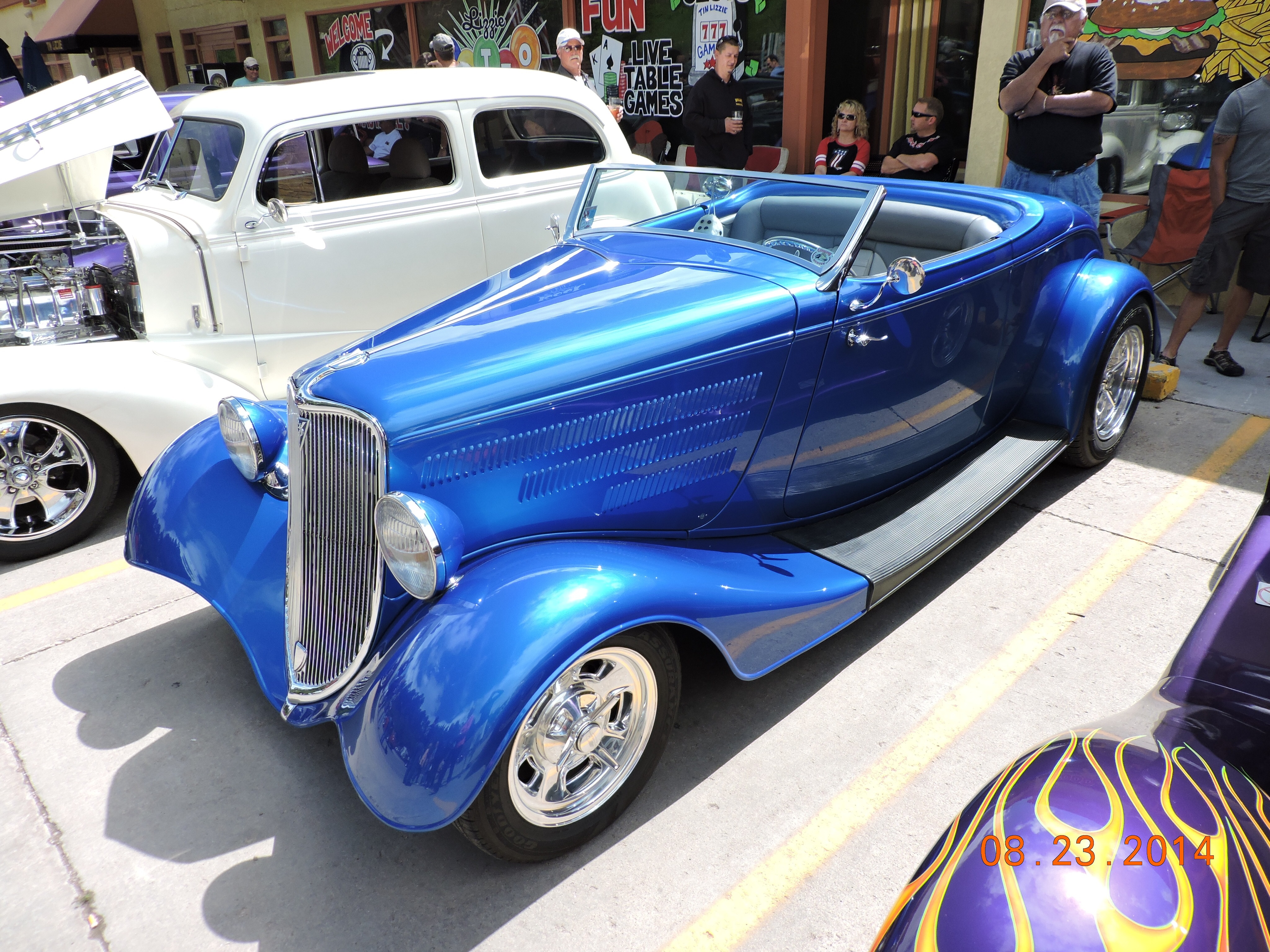 Okay. So this is the reason we came to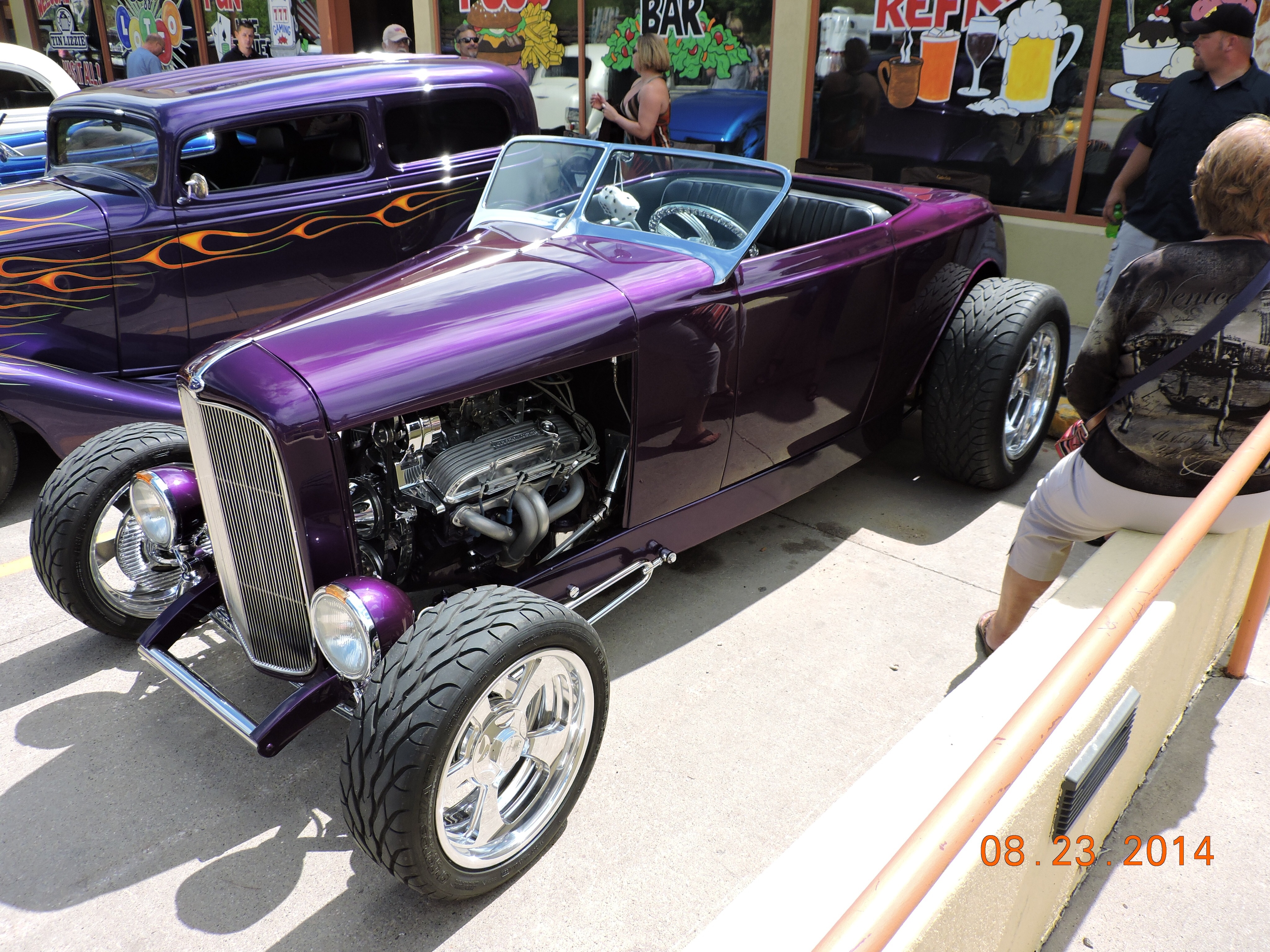
 The Black Hills in the first place.
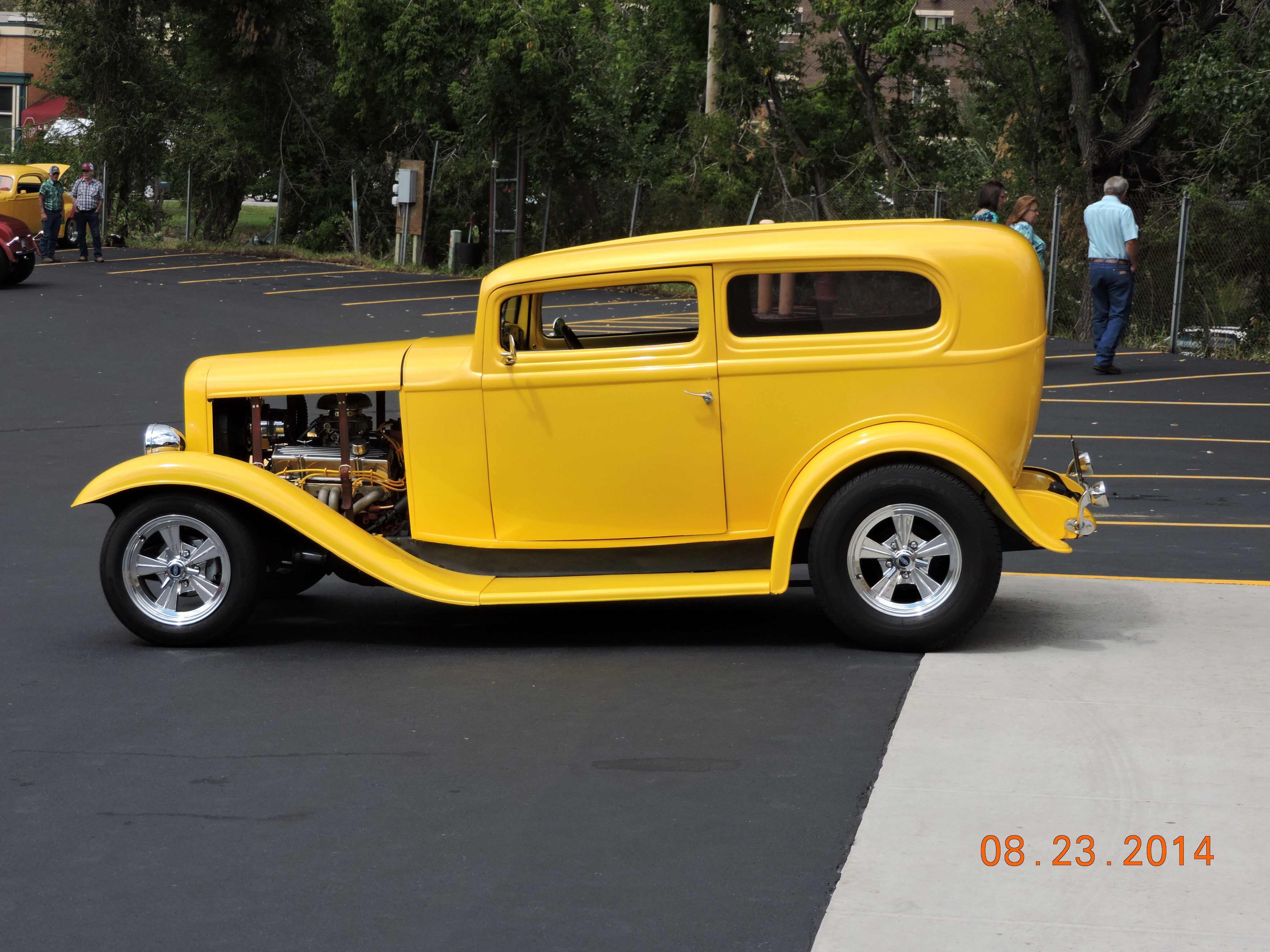
Every year there is this fab 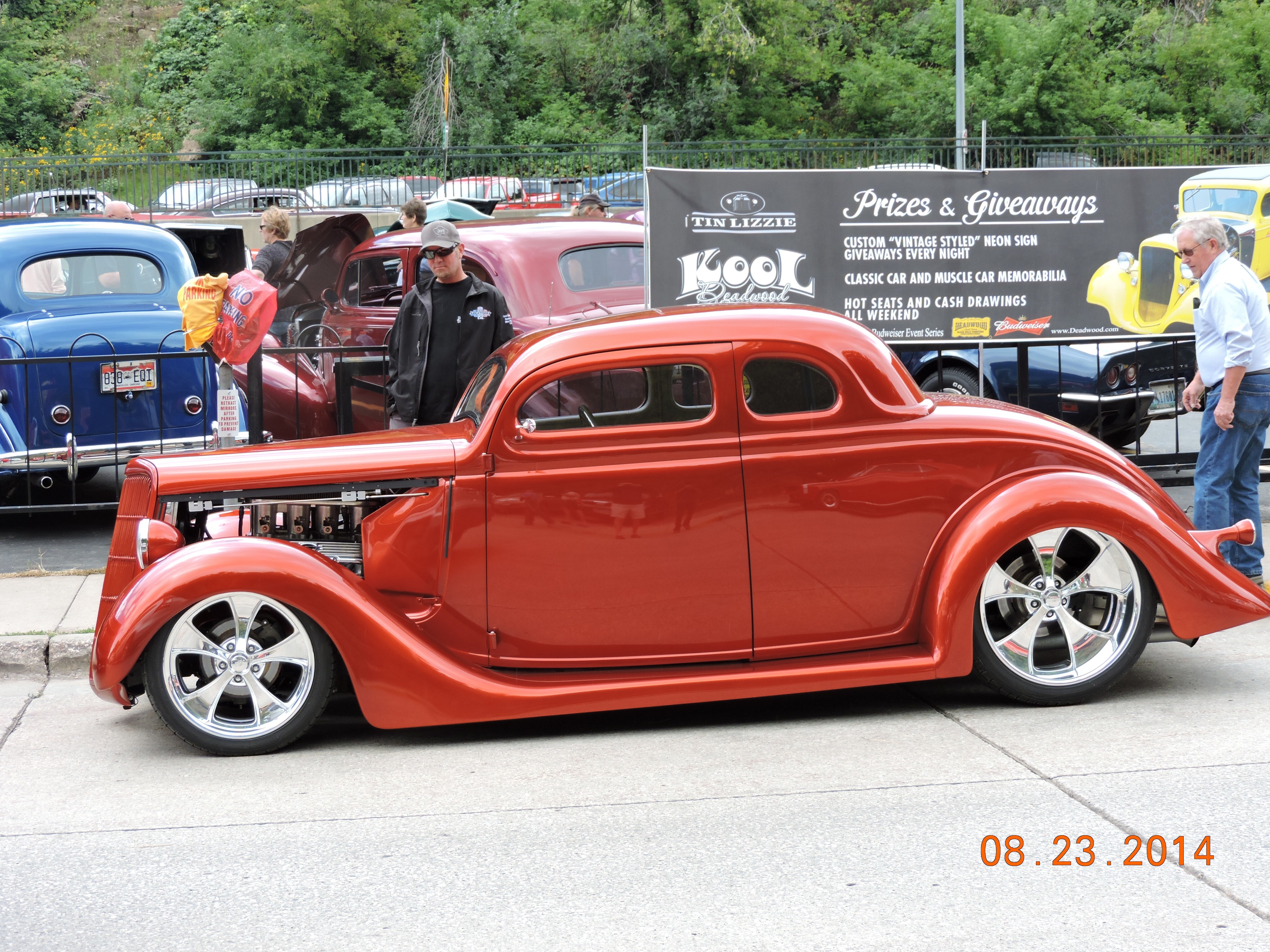 car show a week after the motorcycle blow-out in Sturgis. We spent a couple days checking out the hot rods, resto-mods, ground-up restos, and great classics. Mark was in seventh heaven!
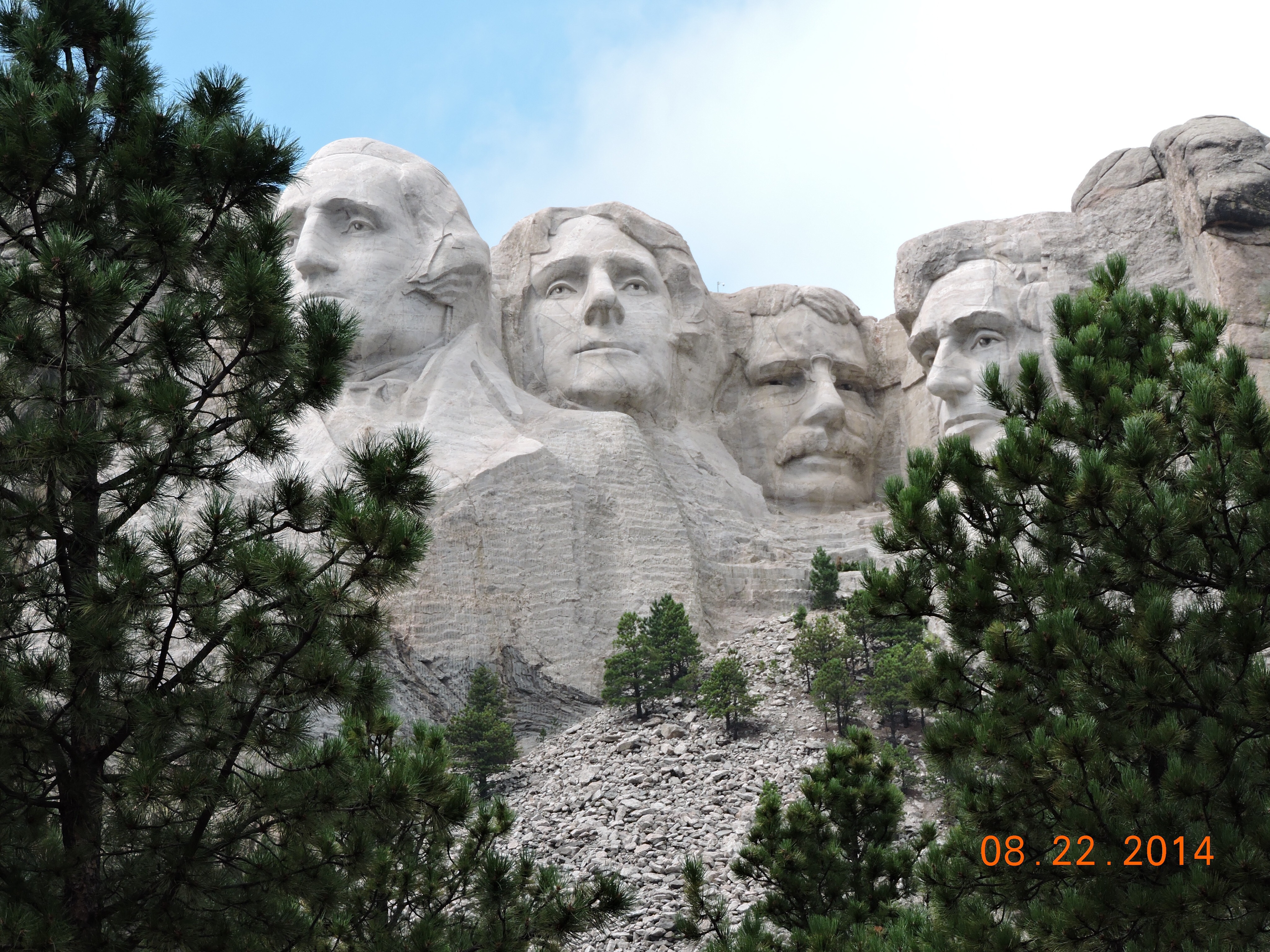 Yes, we did get to Mt. Rushmore. It was designed and built by Gutzon Borglum in 1927 and finished in 1941. It is a National Monument. Why was this gigantic project ever begun. Well. Doane Robinson wanted to use The Needles, which you saw above, to carve historic faces on and increase tourism to The Black Hills. He wanted Western heroes such as Lewis and Clark, Red Cloud, and Buffalo Bill Cody to be represented but Borglum said presidents would be more national and the needles weren’t good enough granite, so we got George, Tom, Abe, and Teddy at Mt. Rushmore and yes! It is a great tourist attraction.
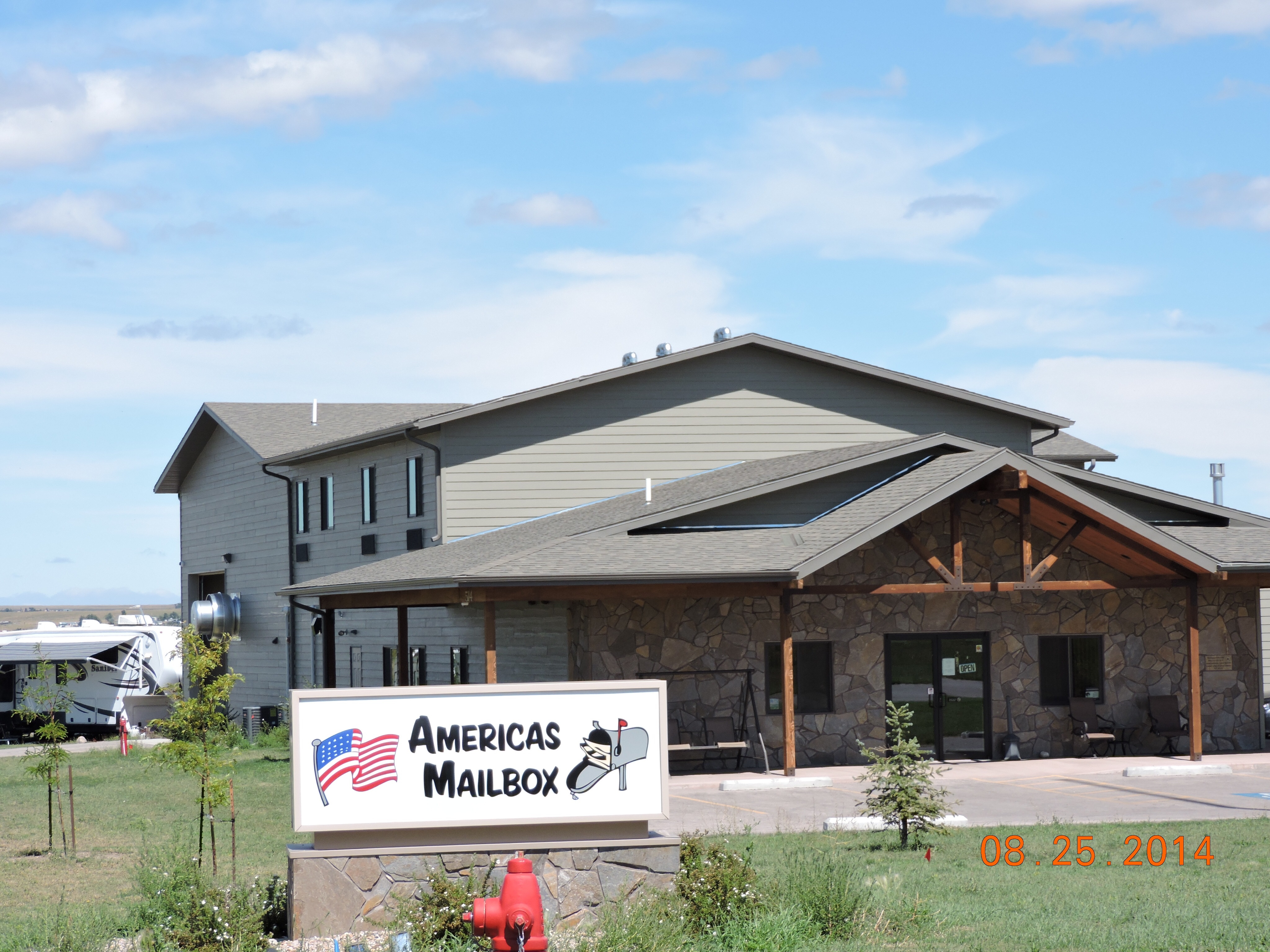
And, finally! We really have no house address anymore and so many people wonder how we get mail and establish an address. Well, we have a mail forwarding company in Box Elder, SD which has given us a 6th floor penthouse at their facility and does a great job in forwarding our mail.
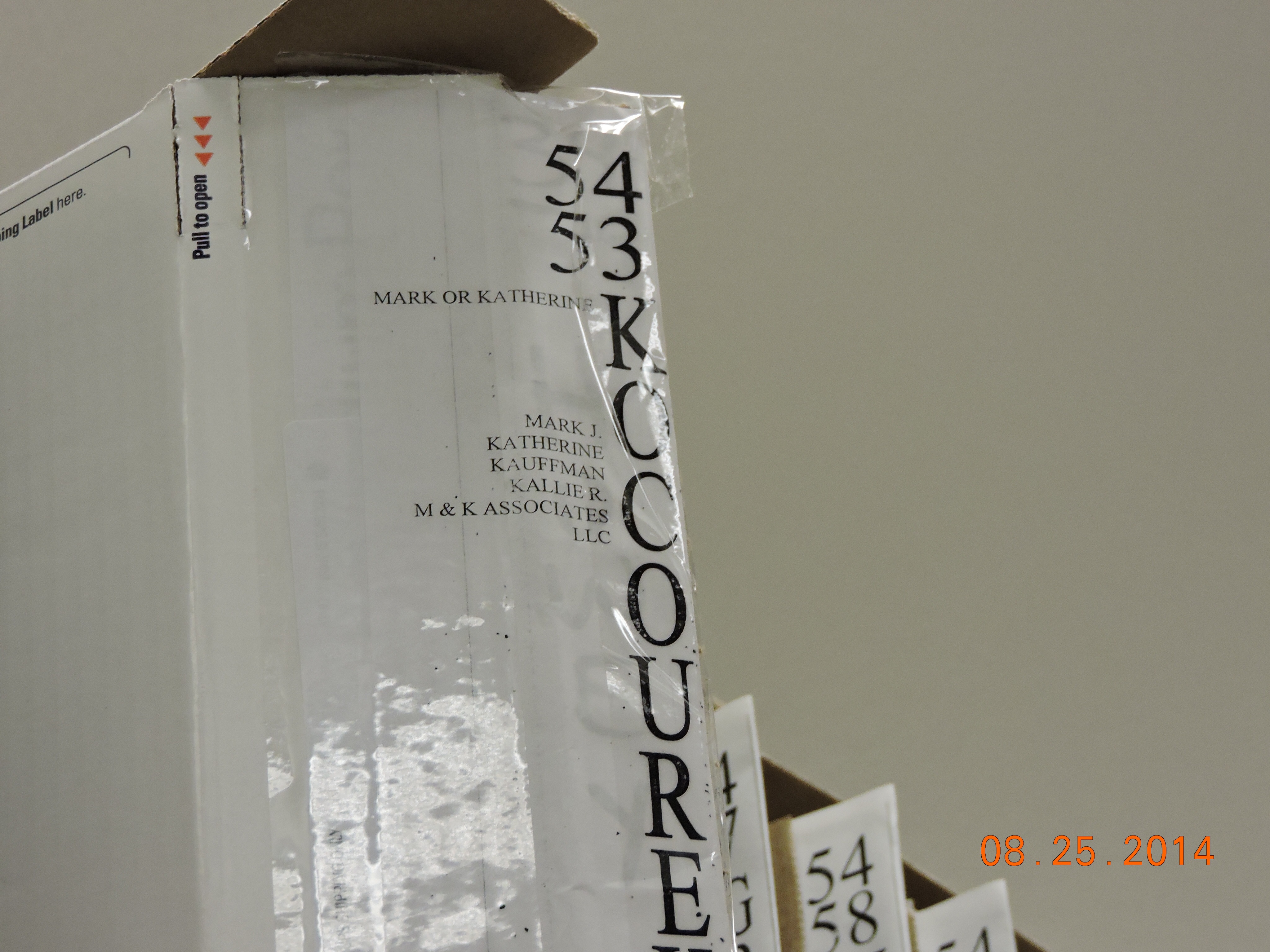 Top shelf all the way!
 This is us!!
Now, on to Wyoming!



 Mark and Kathie's Excellent Adventure